Fruit, leaves and tendrils moulded into a column of white
This tall milk glass vase is moulded with an all-over grapevine relief, the overlapping fruit and leaves wrapping right around a softly tapered cylinder. The opaque white surface carries a gentle satin sheen, so light pools in the hollows between the grapes and catches the raised edges without ever going glassy or bright. It's a piece that works entirely through texture rather than colour, which is exactly what makes it easy to place. At 19 cm it has real presence on a mantelpiece, a hall table or a kitchen bench.
🔸 Key Features
▫️ Maker - Unmarked, in the style of European and American pressed glass production
▫️ Pattern - All-over grapevine relief with clustered fruit, leaves and a curled tendril moulded near the base
▫️ Material - Opaque white milk glass with a soft satin finish
▫️ Form - Gently tapered cylinder on a low moulded foot
▫️ Use - Deep enough for generous garden bunches, leafy branches or dried stems
▫️ Era - Circa 1970s, drawing on a much older decorative tradition
▫️ Detail worth noting - The relief is genuinely deep, not a shallow surface impression, so the pattern reads from across a room
📏 Measurements
📏 Height: 19 cm (7.5 in)
📏 Opening diameter: 9.5 cm (3.7 in)
📏 Base diameter: 7.8 cm (3.1 in)
White Glass and a Very Old Love of Grapes
Grapevines have been decorating vessels since Roman drinking cups, and the motif never really went out of circulation. It resurfaced strongly in nineteenth century pressed glass, then again through the mid twentieth century when milk glass became a fixture of American and European homes. Westmoreland's Paneled Grape was the most famous of these ranges, produced in enormous quantity from the 1940s onward, and its popularity pulled dozens of unmarked variations along in its wake. This vase belongs to that broader family rather than to any single named pattern, with an all-over composition rather than the neat vertical panels of the American originals.
What that means practically is a piece with the look of collectable milk glass and none of the fragility of a matched set. It sits comfortably against dark timber, painted joinery or a strong wall colour, and it is one of the few white objects that still holds its own in a room full of pattern. Left empty on a shelf it reads as sculpture. Filled with white ranunculus or bare magnolia branches, it disappears politely behind the arrangement.
Condition & Packaging
▫️ Good vintage condition
▫️ Some pale staining and light surface marks to the interior, visible in the photos
▫️ Exterior relief is crisp throughout with no chips or cracks
▫️ Carefully packaged with sustainable materials for a safe arrival
▫️ Combined shipping available - significant overages refunded at dispatch
📩 Need more photos or have a question? We're always happy to help - send us a message any time.
Height Without the Colour Commitment
Most vases this tall ask something of the room, either through colour or a shape that dictates the arrangement. This one asks for nothing beyond a flat surface. Unmarked pieces like this rarely command collector prices, which is the quiet advantage - you get depth of moulding that modern white ceramic vases simply do not attempt, at a fraction of what a marked Westmoreland example would cost.
Fruit, leaves and tendrils moulded into a column of white
This tall milk glass vase is moulded with an all-over grapevine relief, the overlapping fruit and leaves wrapping right around a softly tapered cylinder. The opaque white surface carries a gentle satin sheen, so light pools in the hollows between the grapes and catches the raised edges without ever going glassy or bright. It's a piece that works entirely through texture rather than colour, which is exactly what makes it easy to place. At 19 cm it has real presence on a mantelpiece, a hall table or a kitchen bench.
🔸 Key Features
▫️ Maker - Unmarked, in the style of European and American pressed glass production
▫️ Pattern - All-over grapevine relief with clustered fruit, leaves and a curled tendril moulded near the base
▫️ Material - Opaque white milk glass with a soft satin finish
▫️ Form - Gently tapered cylinder on a low moulded foot
▫️ Use - Deep enough for generous garden bunches, leafy branches or dried stems
▫️ Era - Circa 1970s, drawing on a much older decorative tradition
▫️ Detail worth noting - The relief is genuinely deep, not a shallow surface impression, so the pattern reads from across a room
📏 Measurements
📏 Height: 19 cm (7.5 in)
📏 Opening diameter: 9.5 cm (3.7 in)
📏 Base diameter: 7.8 cm (3.1 in)
White Glass and a Very Old Love of Grapes
Grapevines have been decorating vessels since Roman drinking cups, and the motif never really went out of circulation. It resurfaced strongly in nineteenth century pressed glass, then again through the mid twentieth century when milk glass became a fixture of American and European homes. Westmoreland's Paneled Grape was the most famous of these ranges, produced in enormous quantity from the 1940s onward, and its popularity pulled dozens of unmarked variations along in its wake. This vase belongs to that broader family rather than to any single named pattern, with an all-over composition rather than the neat vertical panels of the American originals.
What that means practically is a piece with the look of collectable milk glass and none of the fragility of a matched set. It sits comfortably against dark timber, painted joinery or a strong wall colour, and it is one of the few white objects that still holds its own in a room full of pattern. Left empty on a shelf it reads as sculpture. Filled with white ranunculus or bare magnolia branches, it disappears politely behind the arrangement.
Condition & Packaging
▫️ Good vintage condition
▫️ Some pale staining and light surface marks to the interior, visible in the photos
▫️ Exterior relief is crisp throughout with no chips or cracks
▫️ Carefully packaged with sustainable materials for a safe arrival
▫️ Combined shipping available - significant overages refunded at dispatch
📩 Need more photos or have a question? We're always happy to help - send us a message any time.
Height Without the Colour Commitment
Most vases this tall ask something of the room, either through colour or a shape that dictates the arrangement. This one asks for nothing beyond a flat surface. Unmarked pieces like this rarely command collector prices, which is the quiet advantage - you get depth of moulding that modern white ceramic vases simply do not attempt, at a fraction of what a marked Westmoreland example would cost.


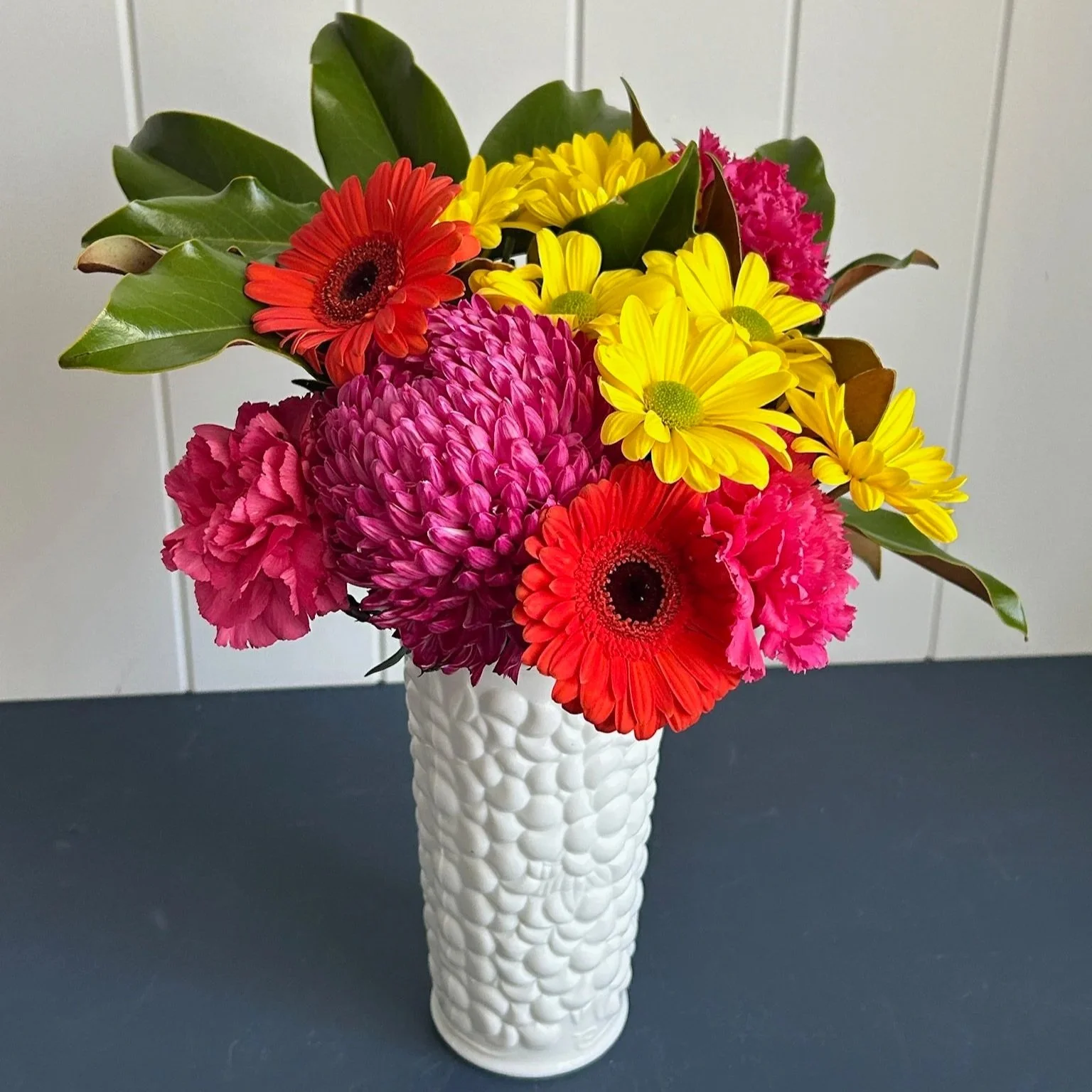 Image 1 of 20
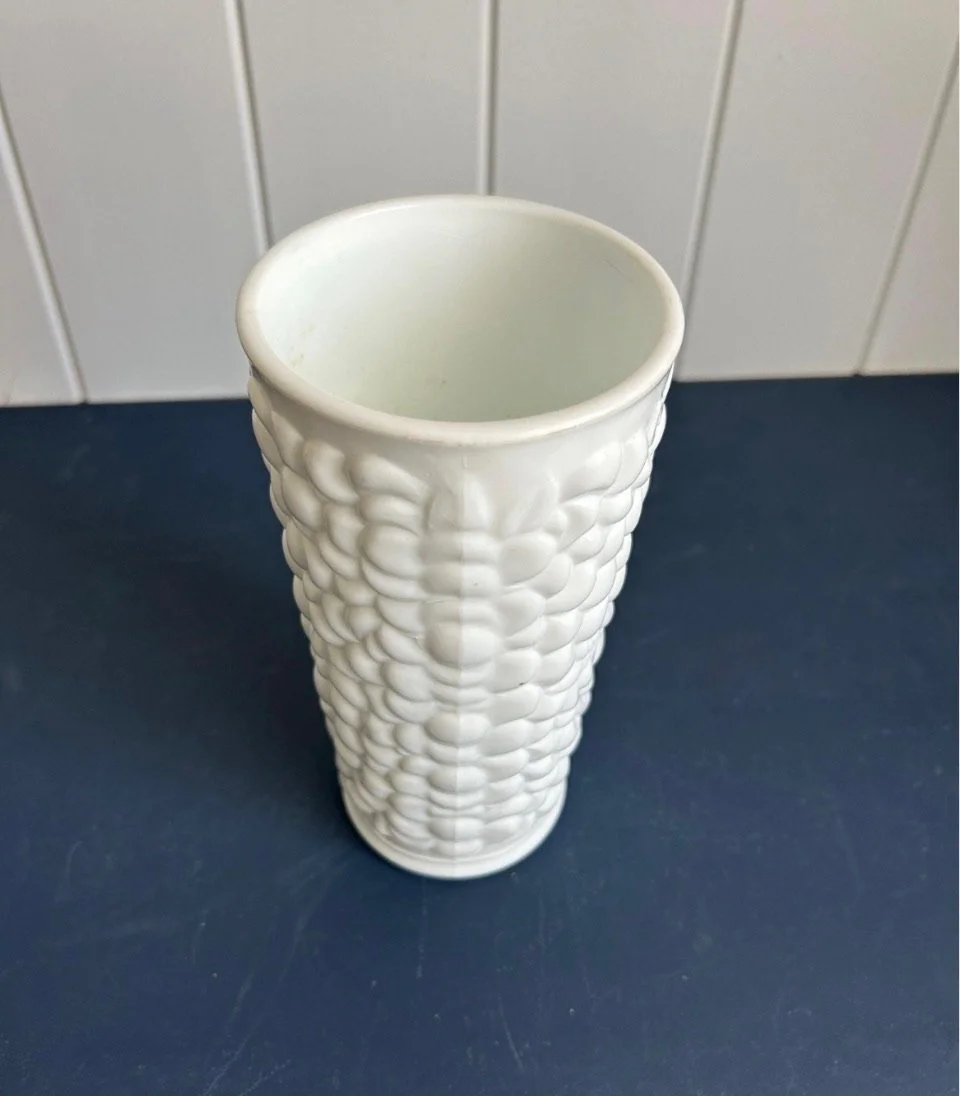 Image 2 of 20
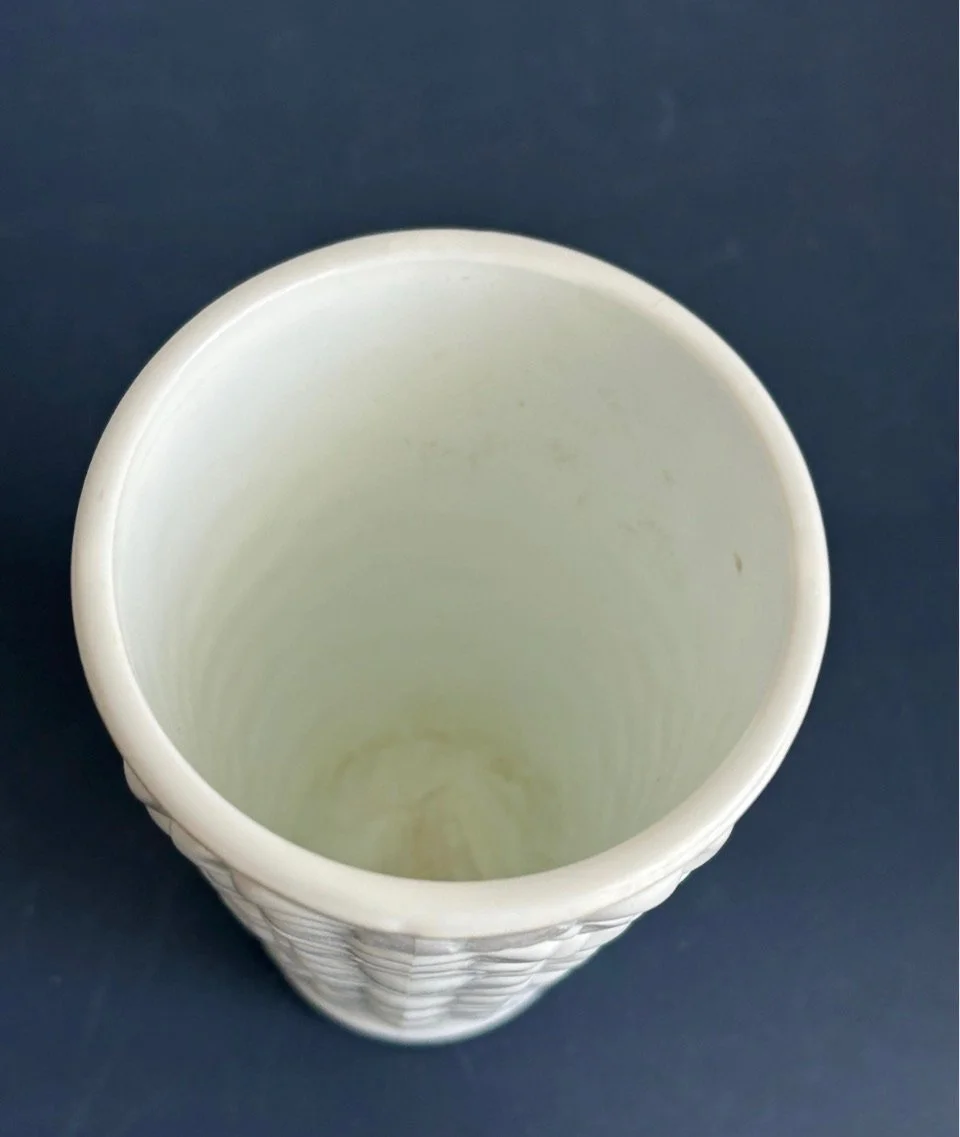 Image 3 of 20
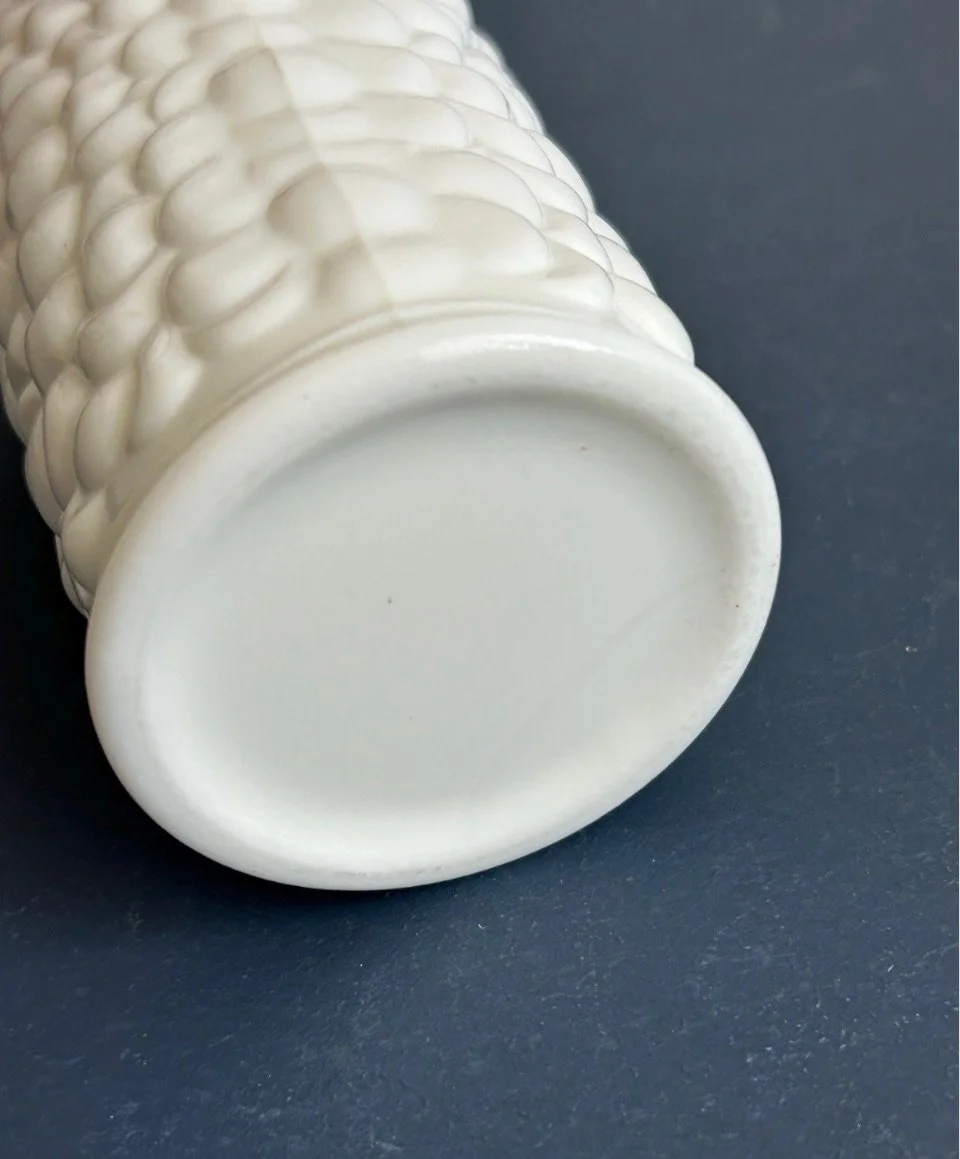 Image 4 of 20
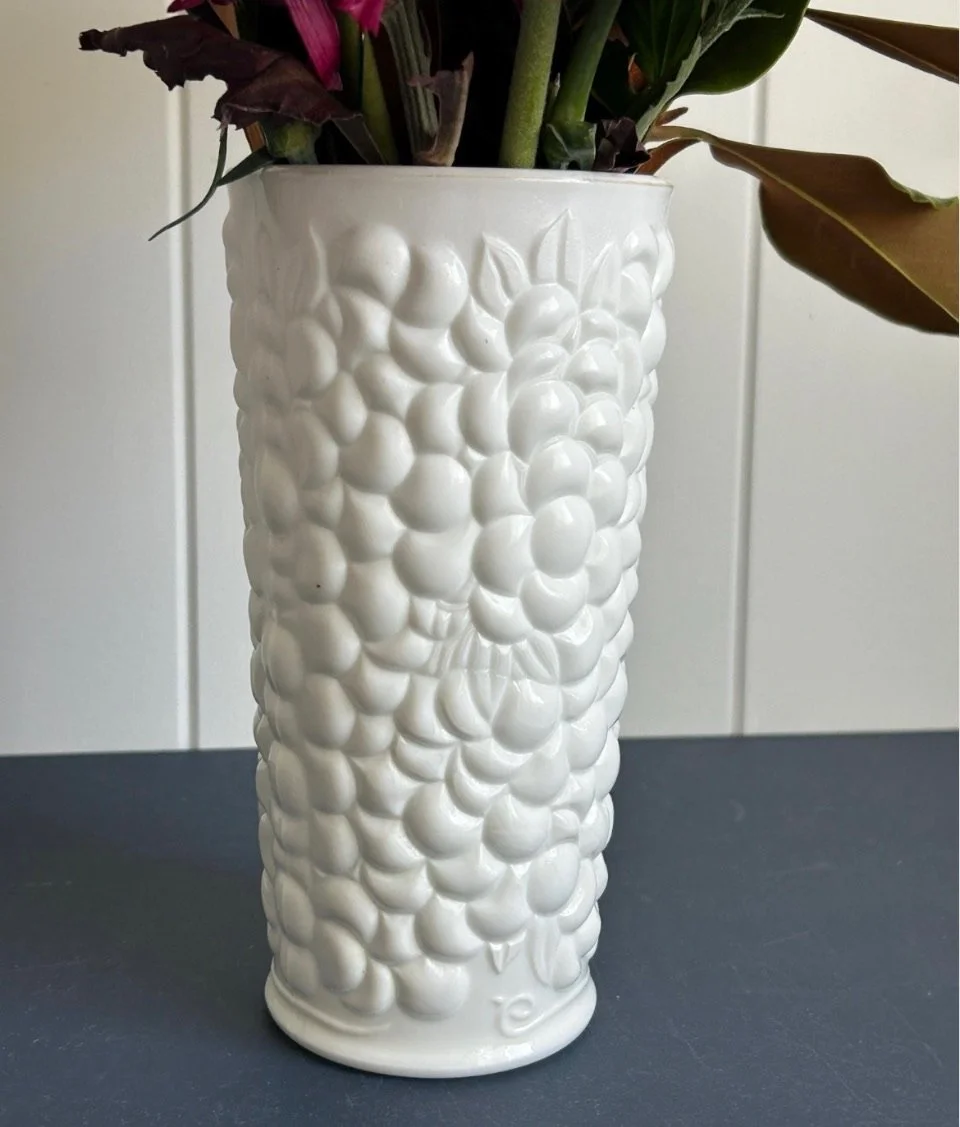 Image 5 of 20
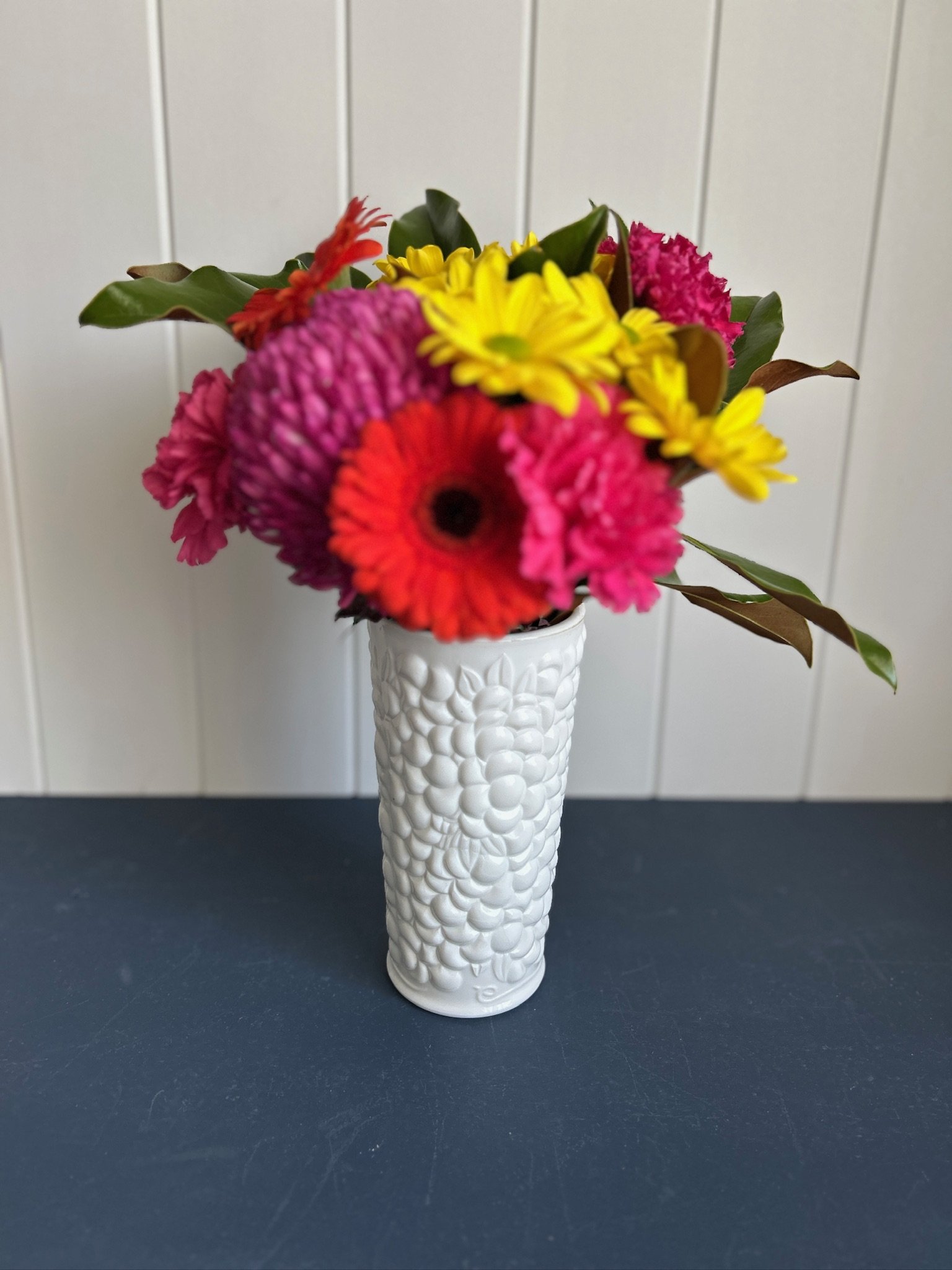 Image 6 of 20
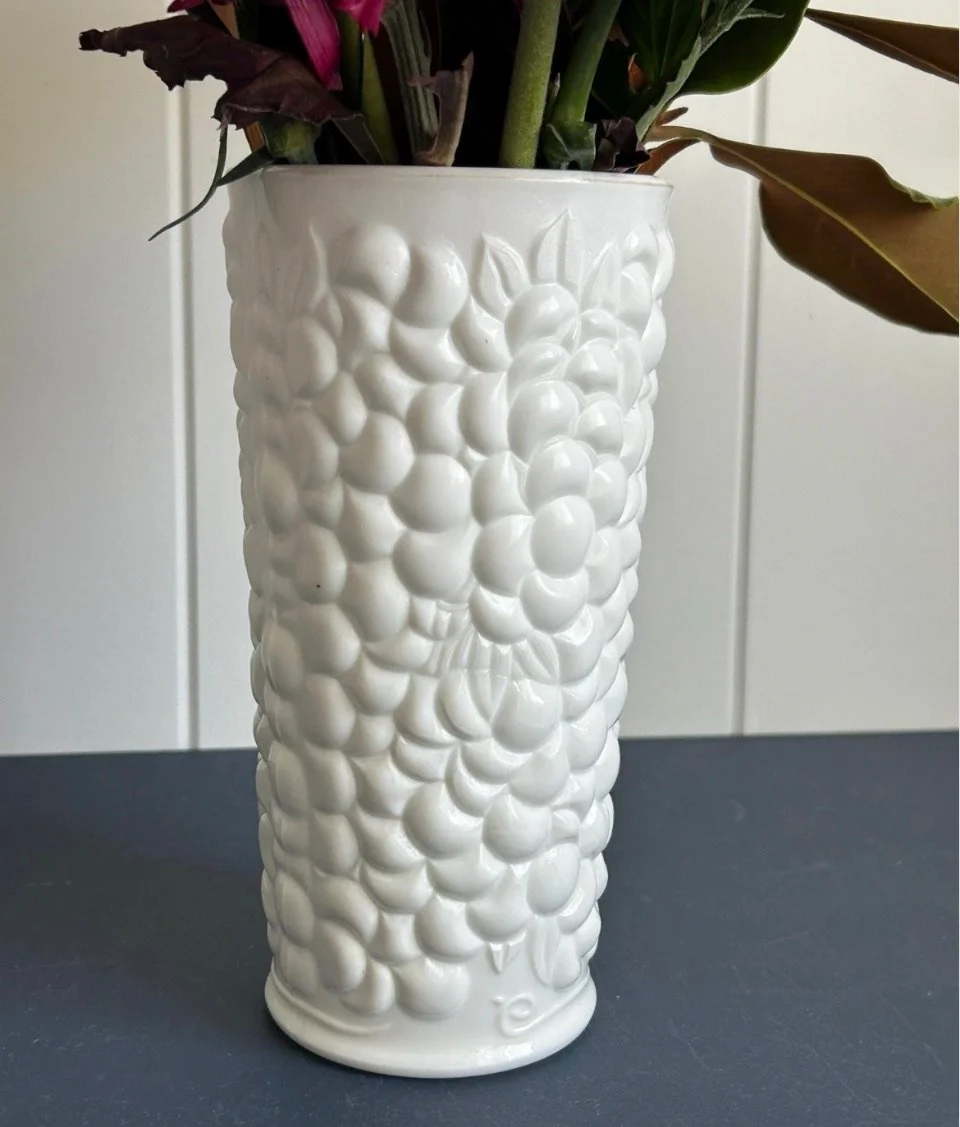 Image 7 of 20
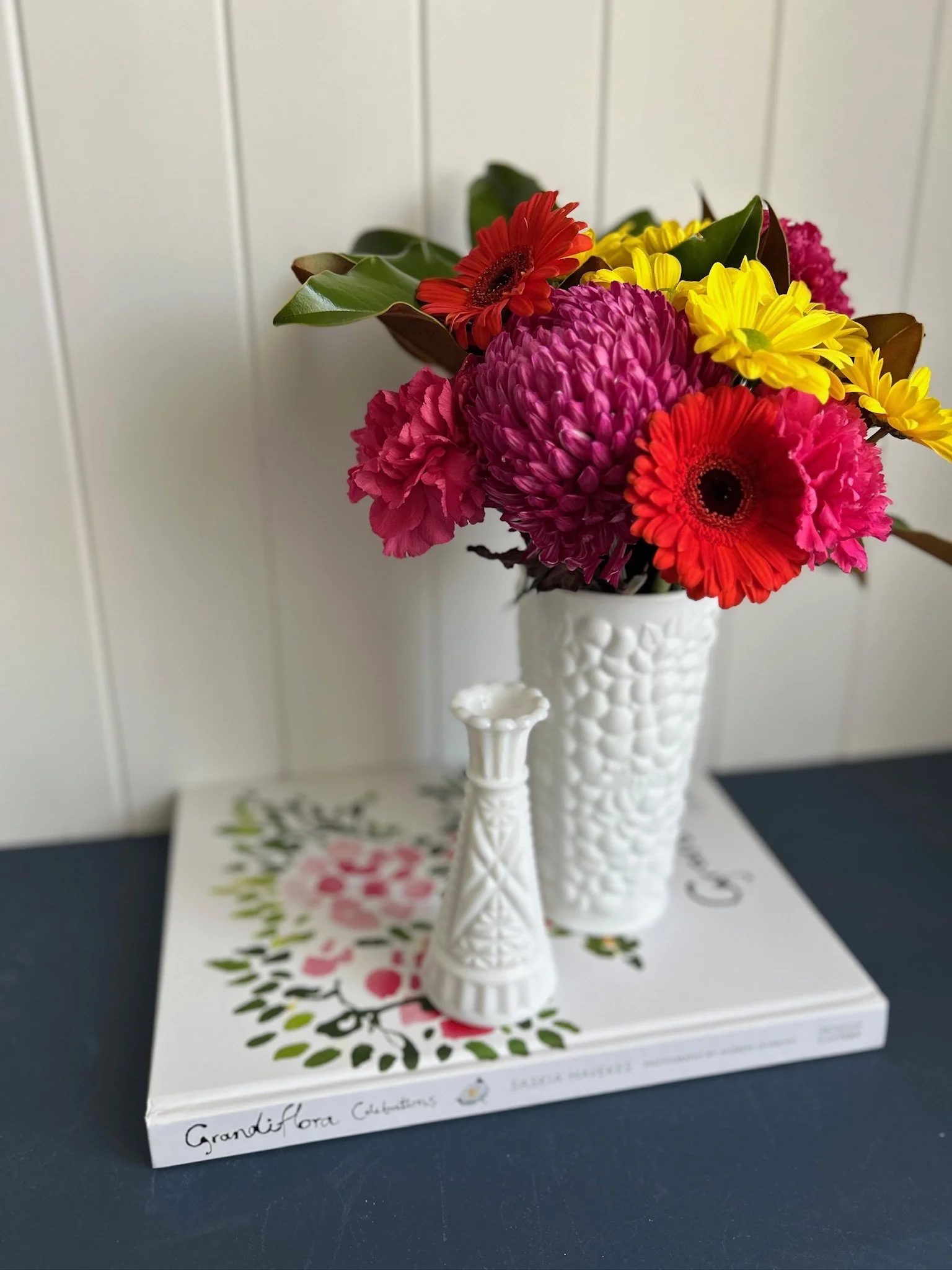 Image 8 of 20
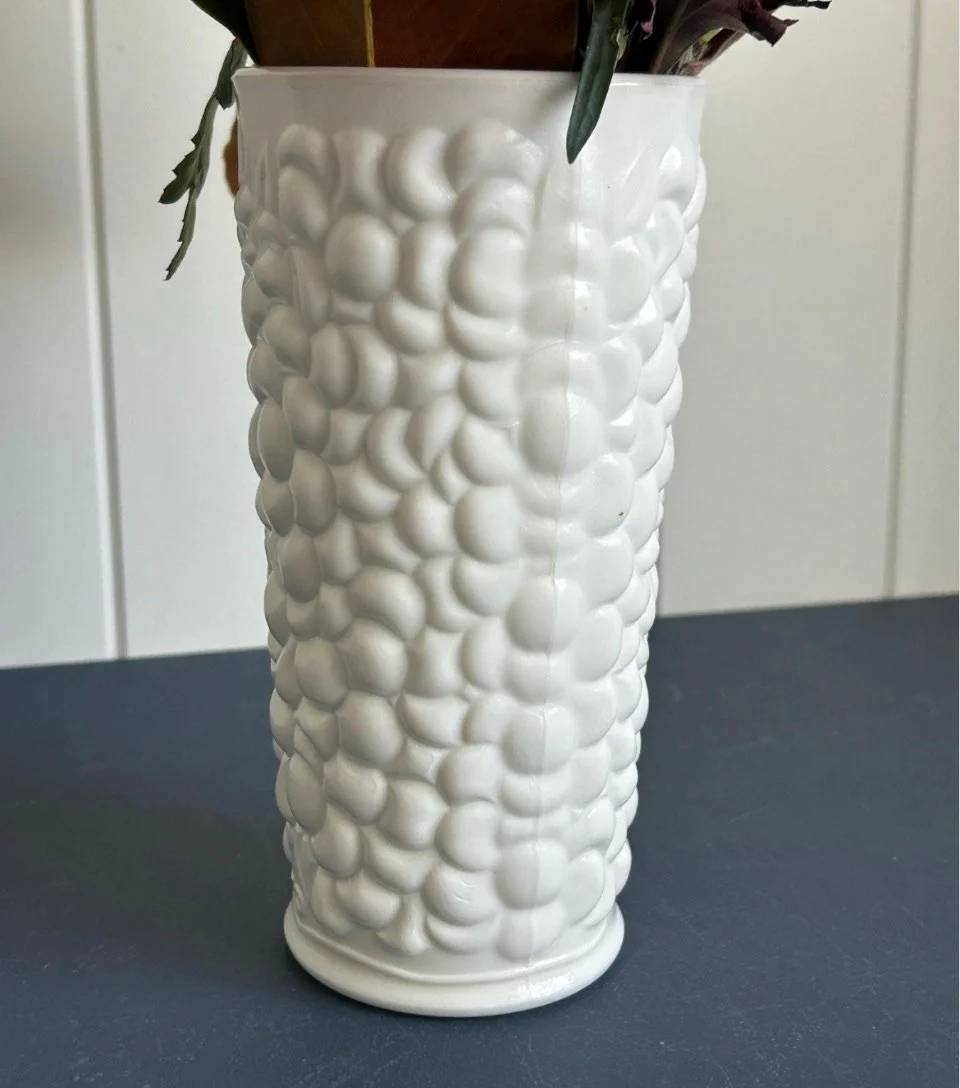 Image 9 of 20
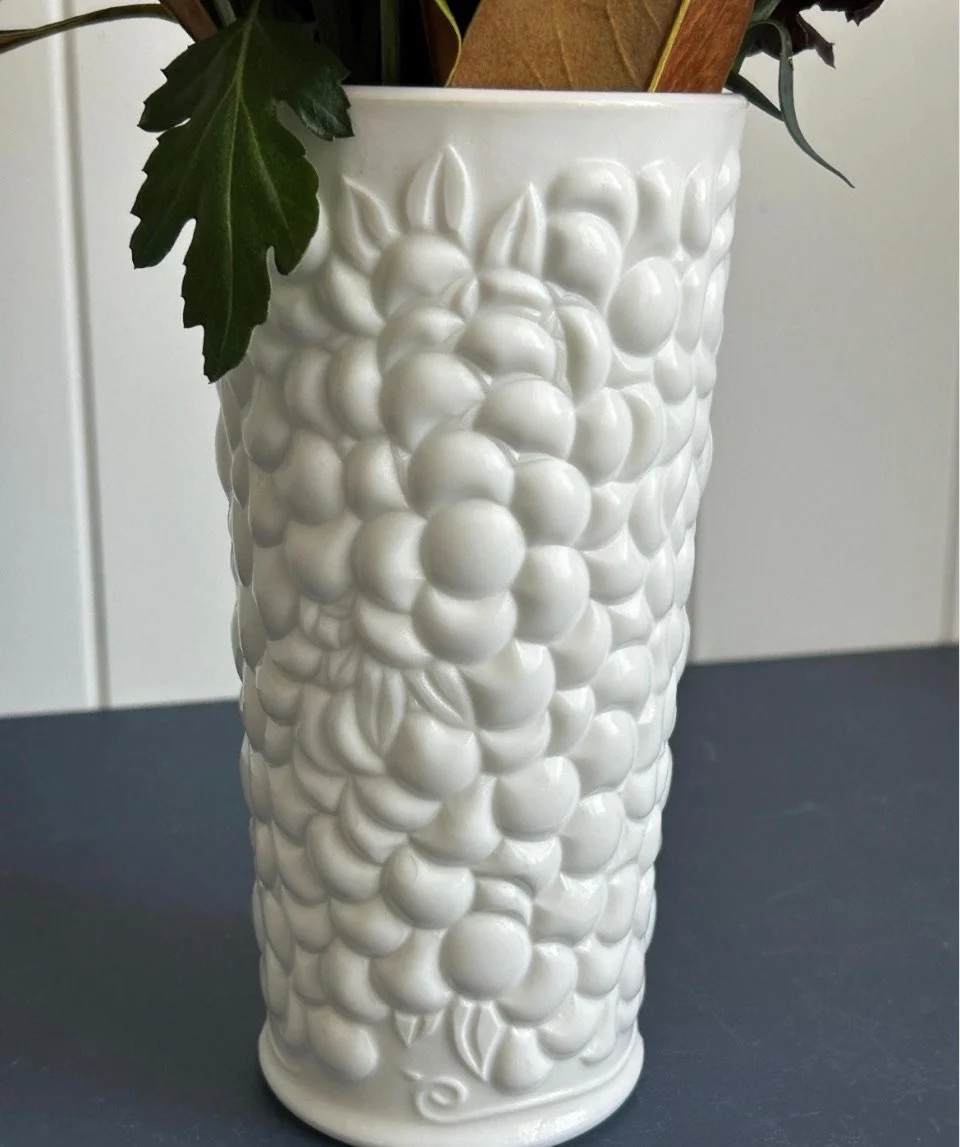 Image 10 of 20
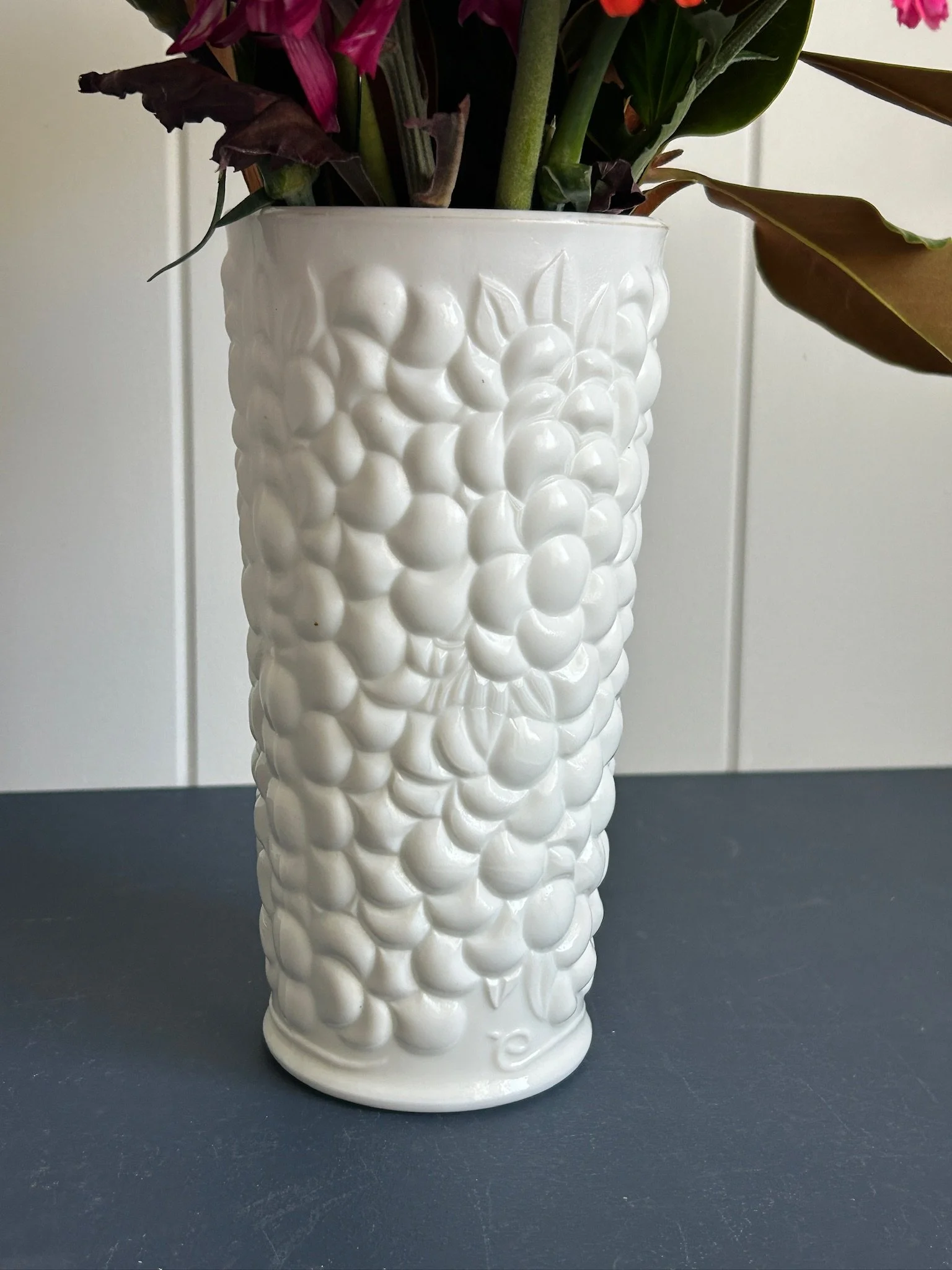 Image 11 of 20
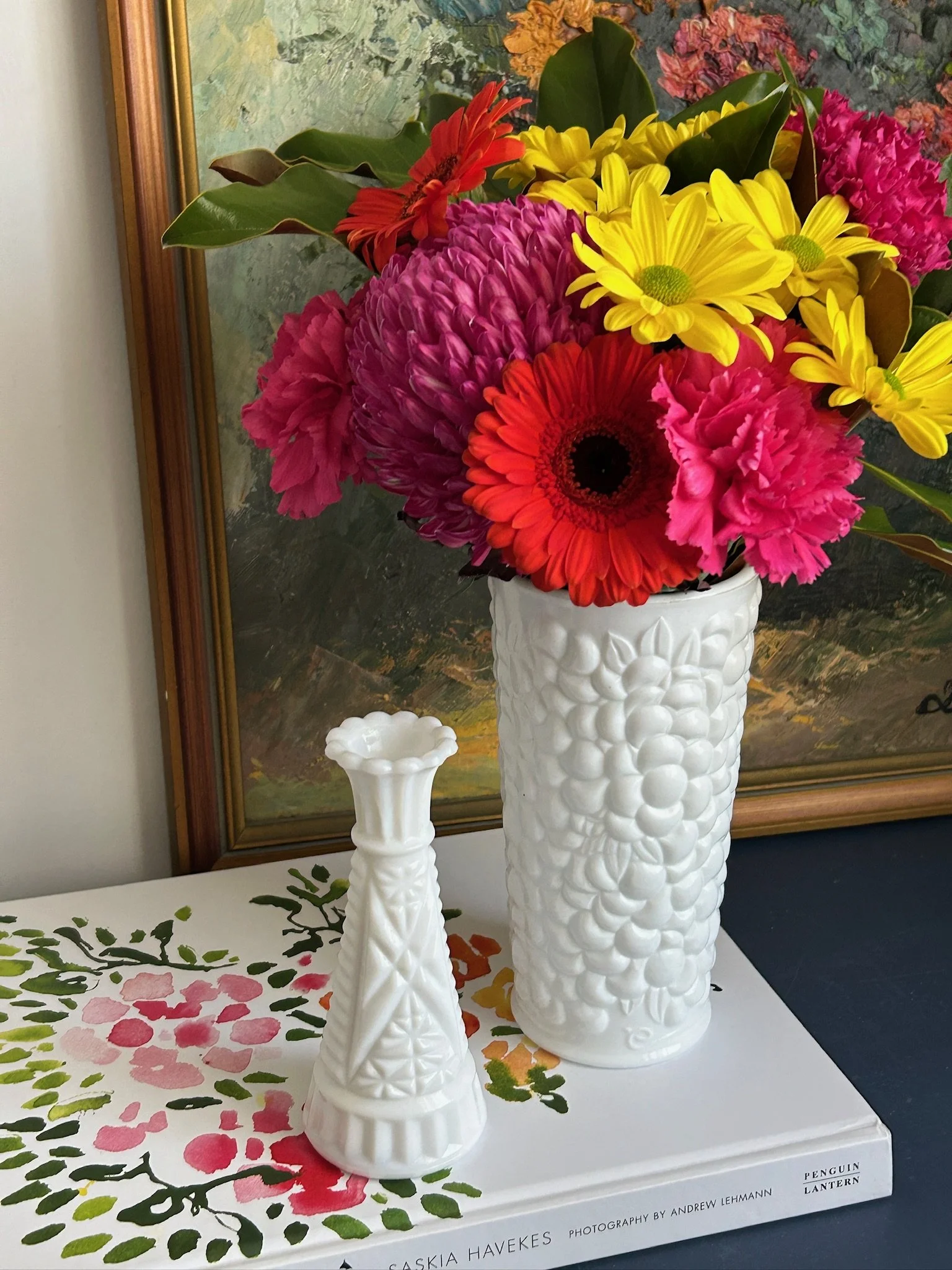 Image 12 of 20
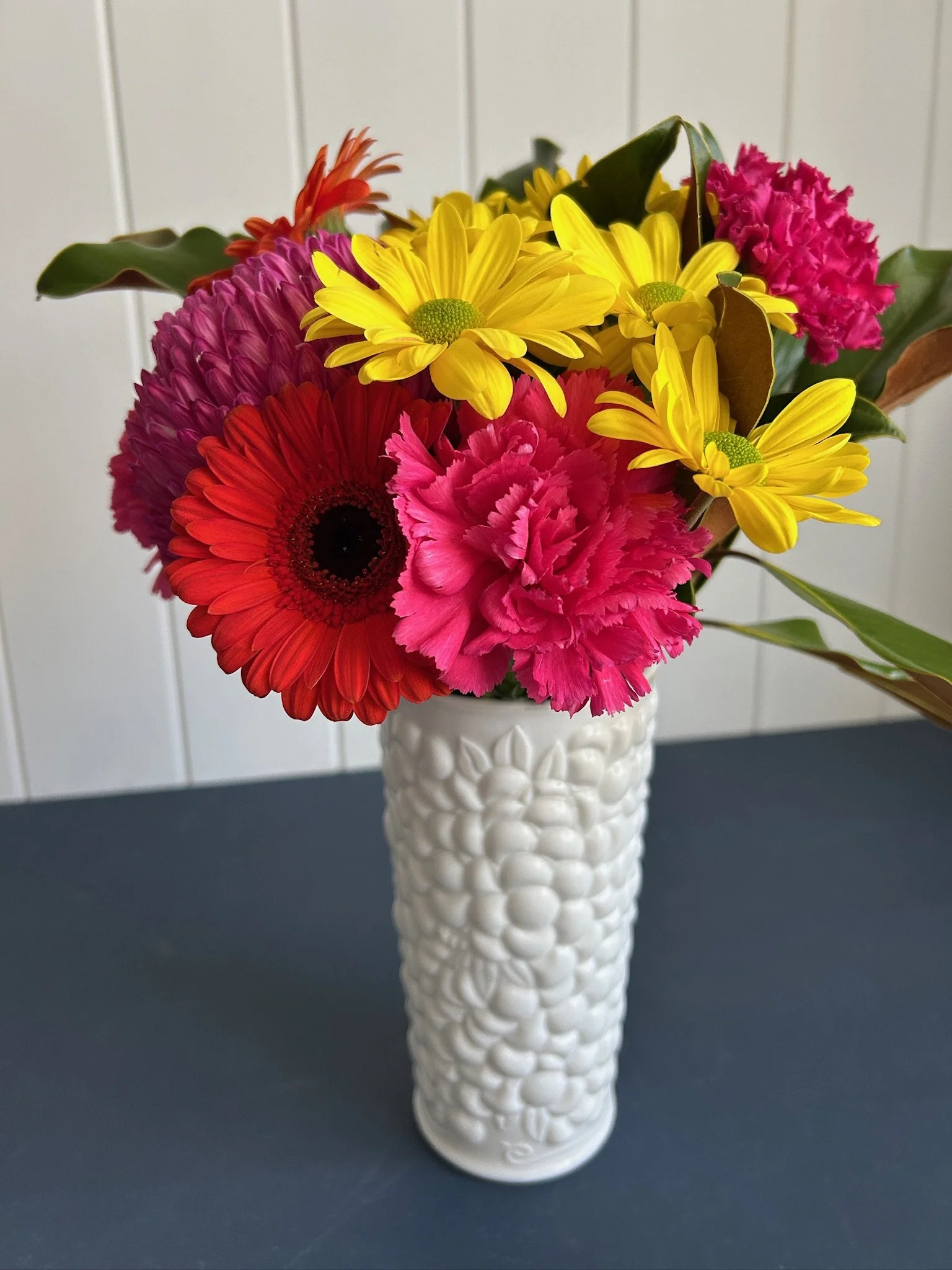 Image 13 of 20
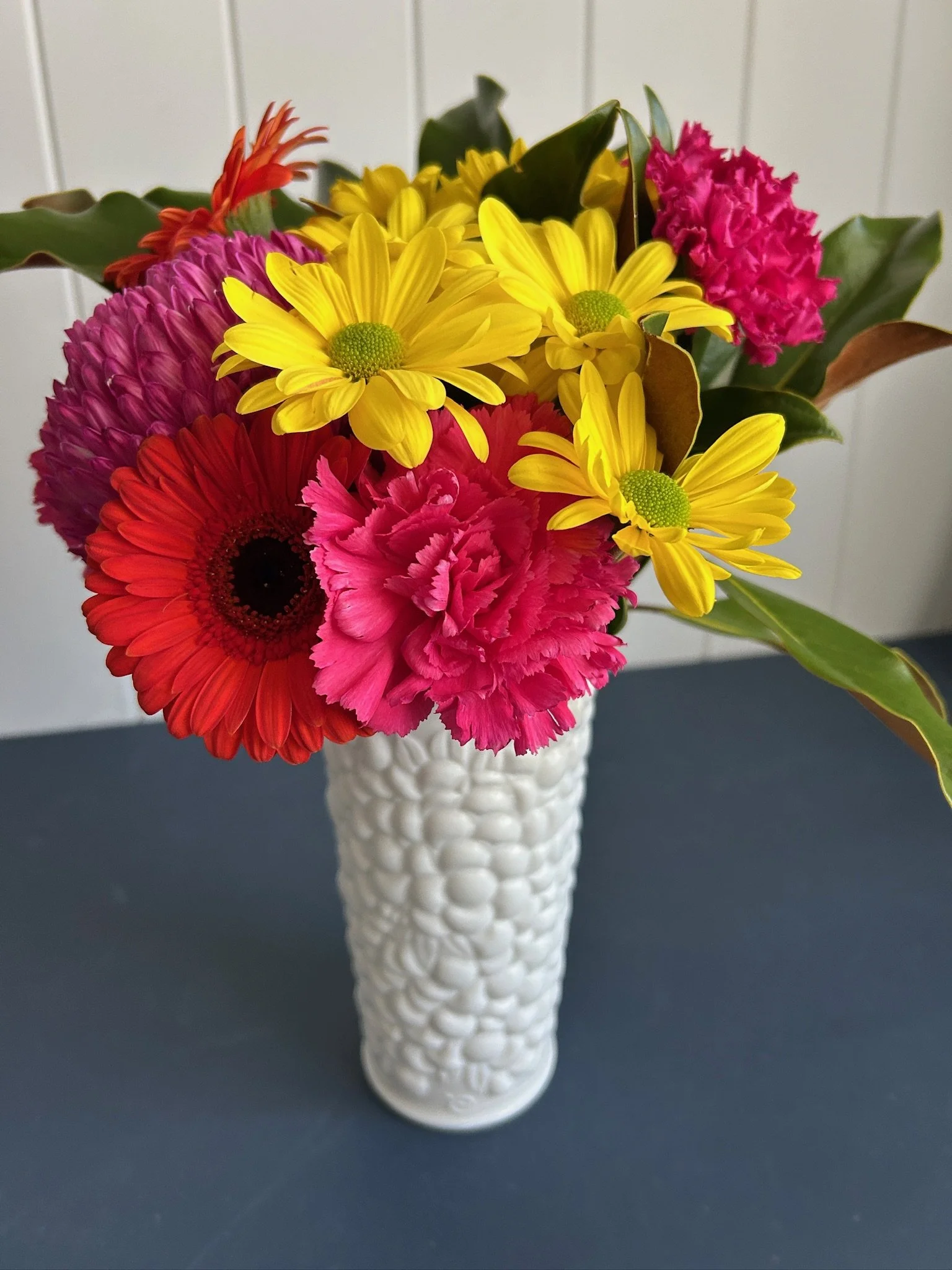 Image 14 of 20
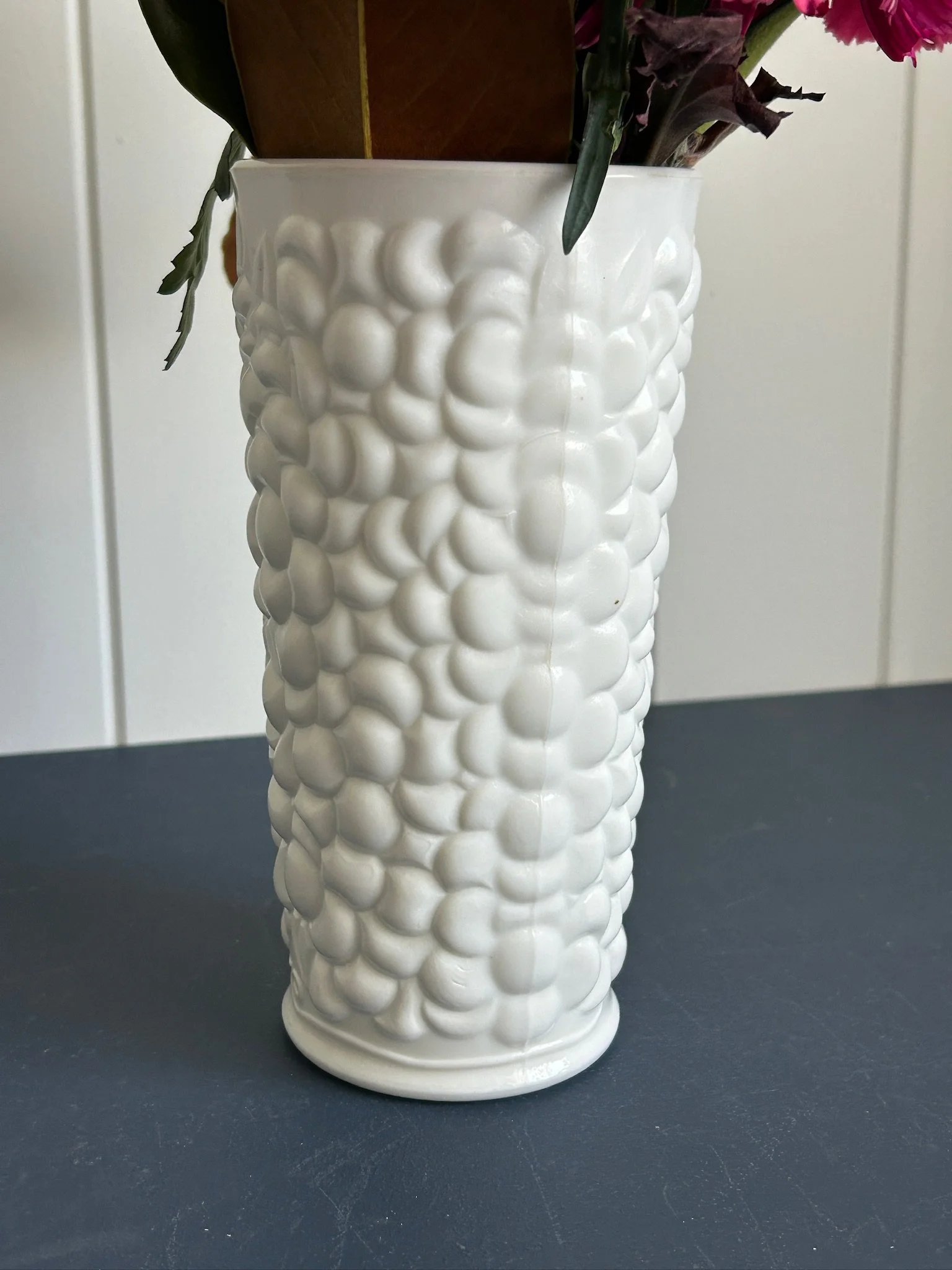 Image 15 of 20
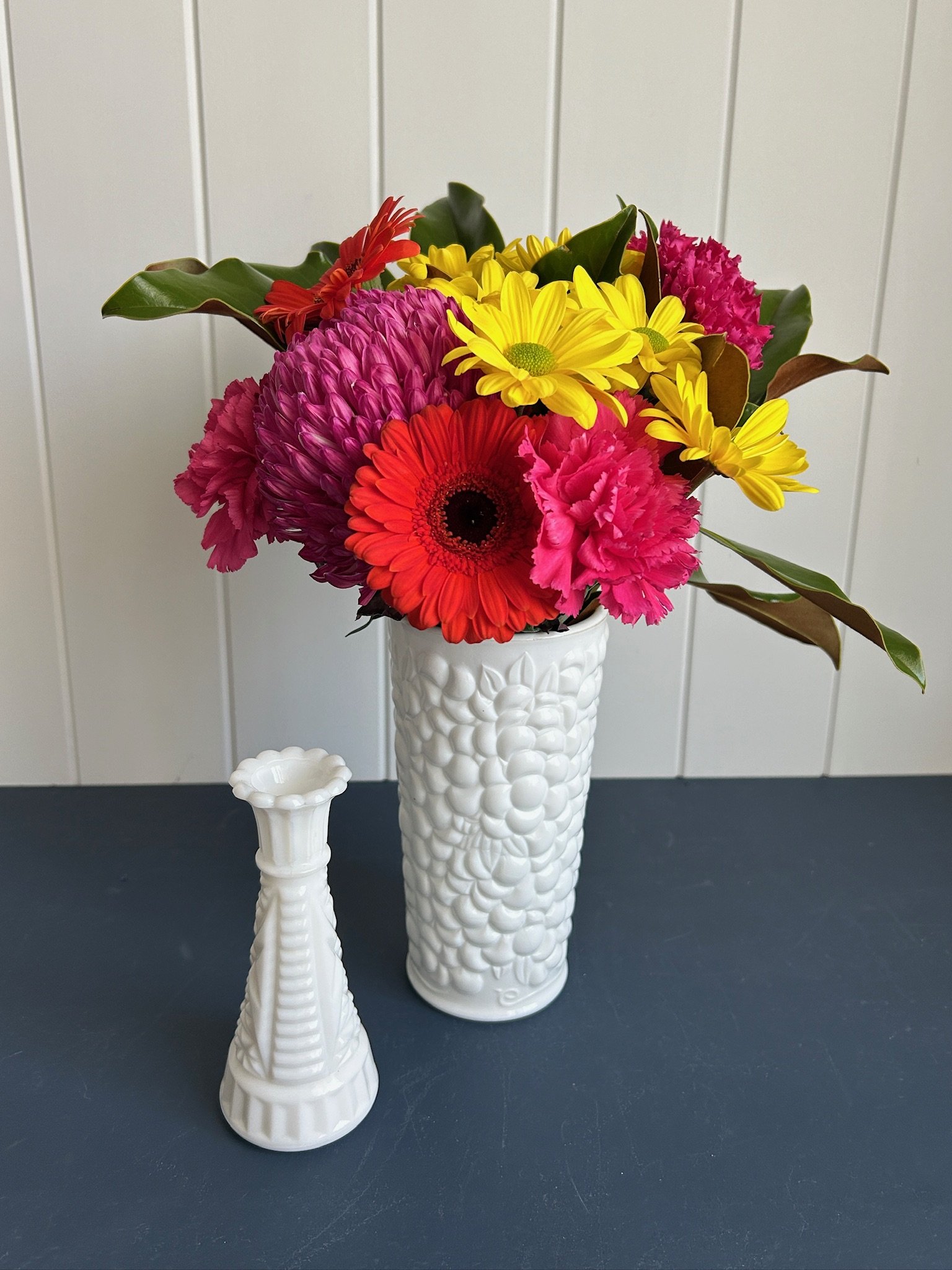 Image 16 of 20
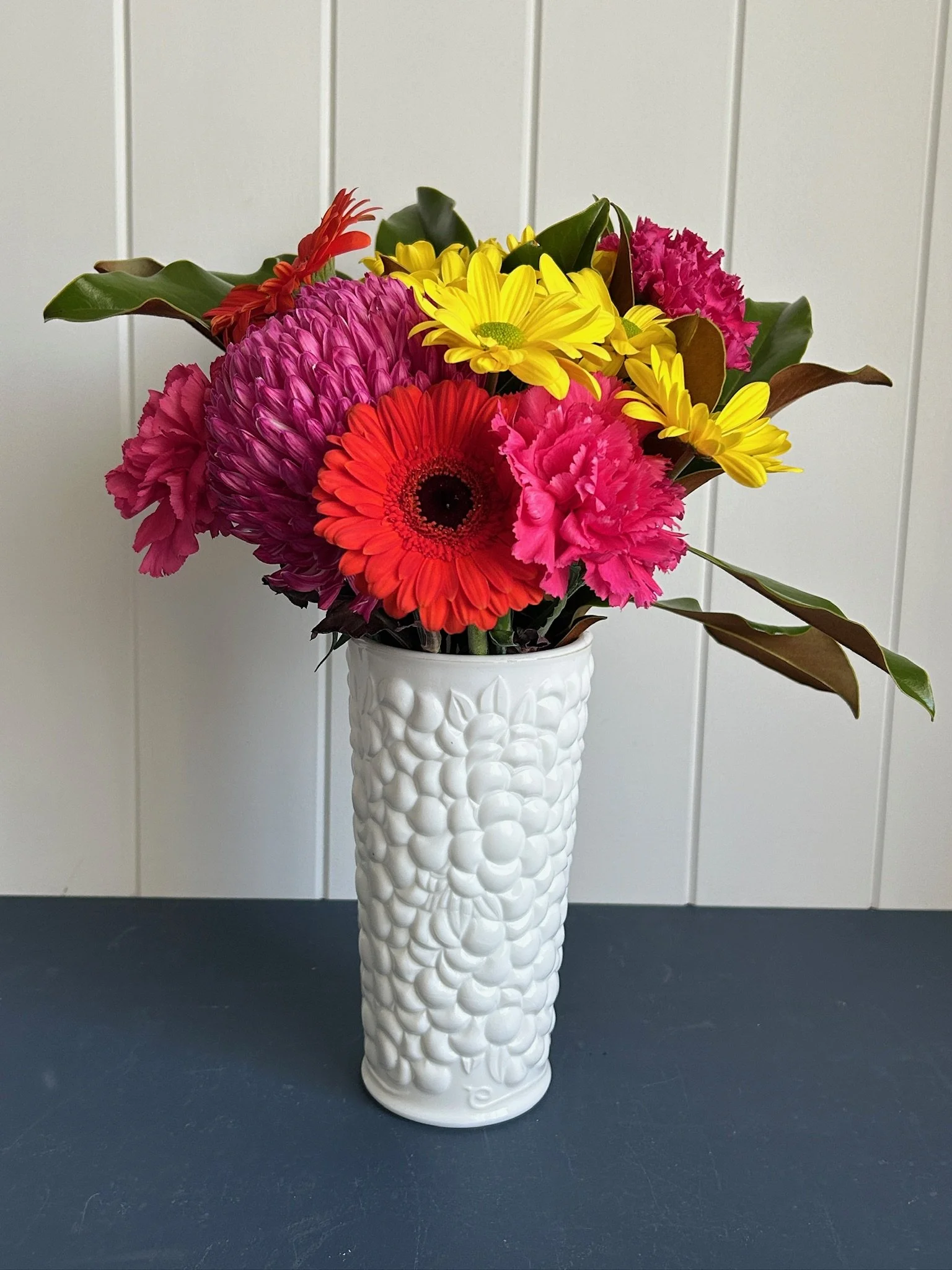 Image 17 of 20
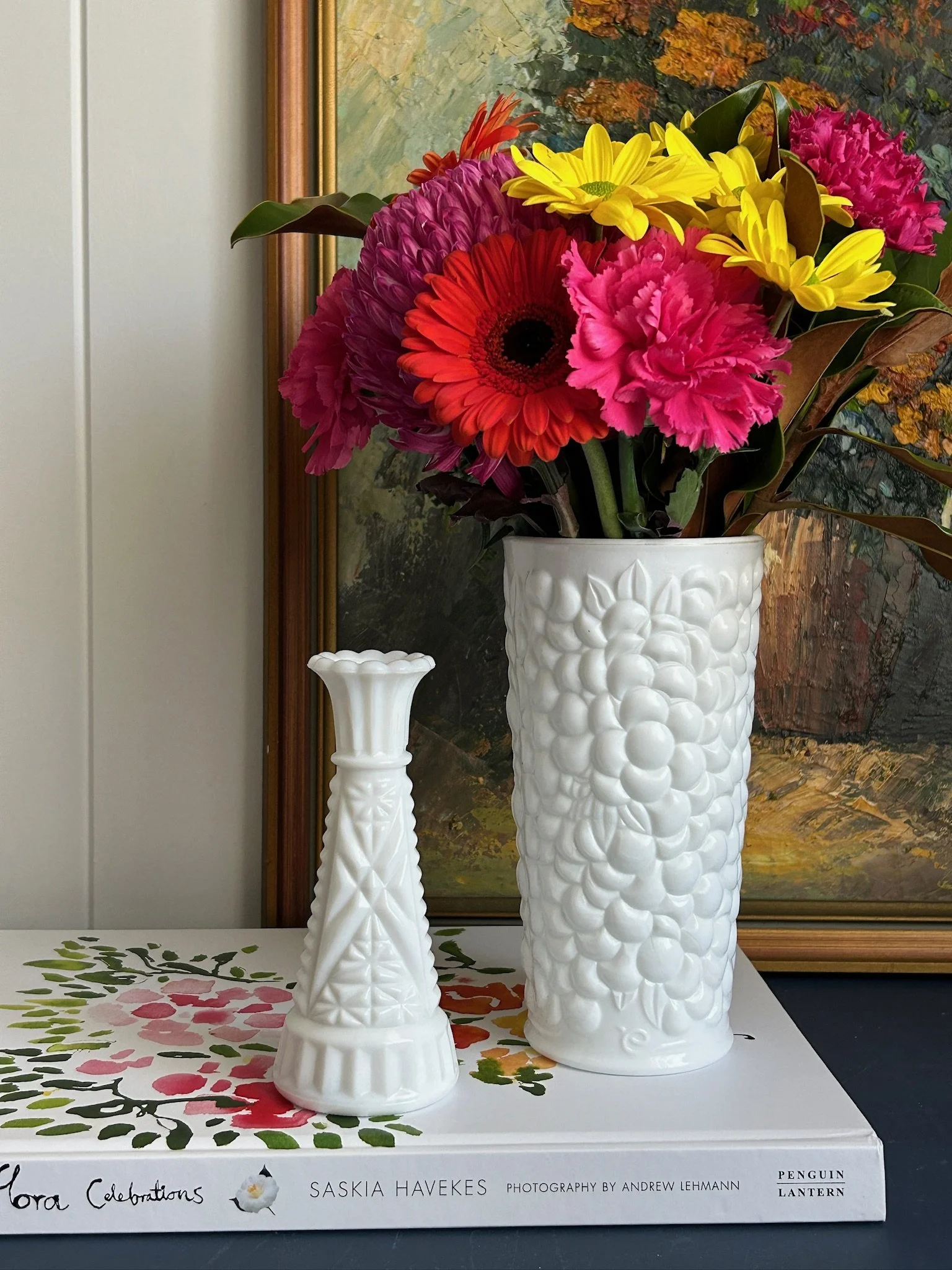 Image 18 of 20
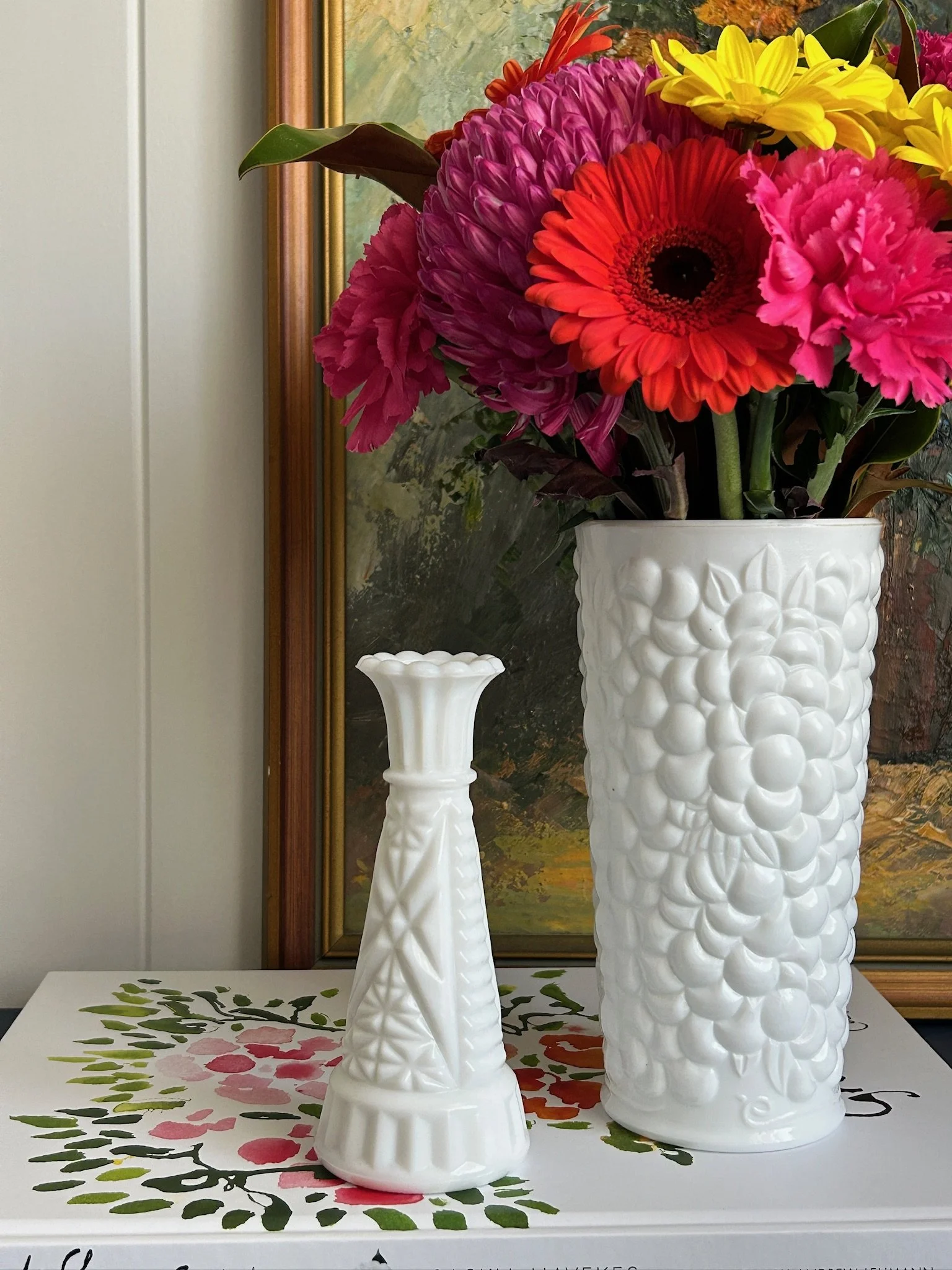 Image 19 of 20
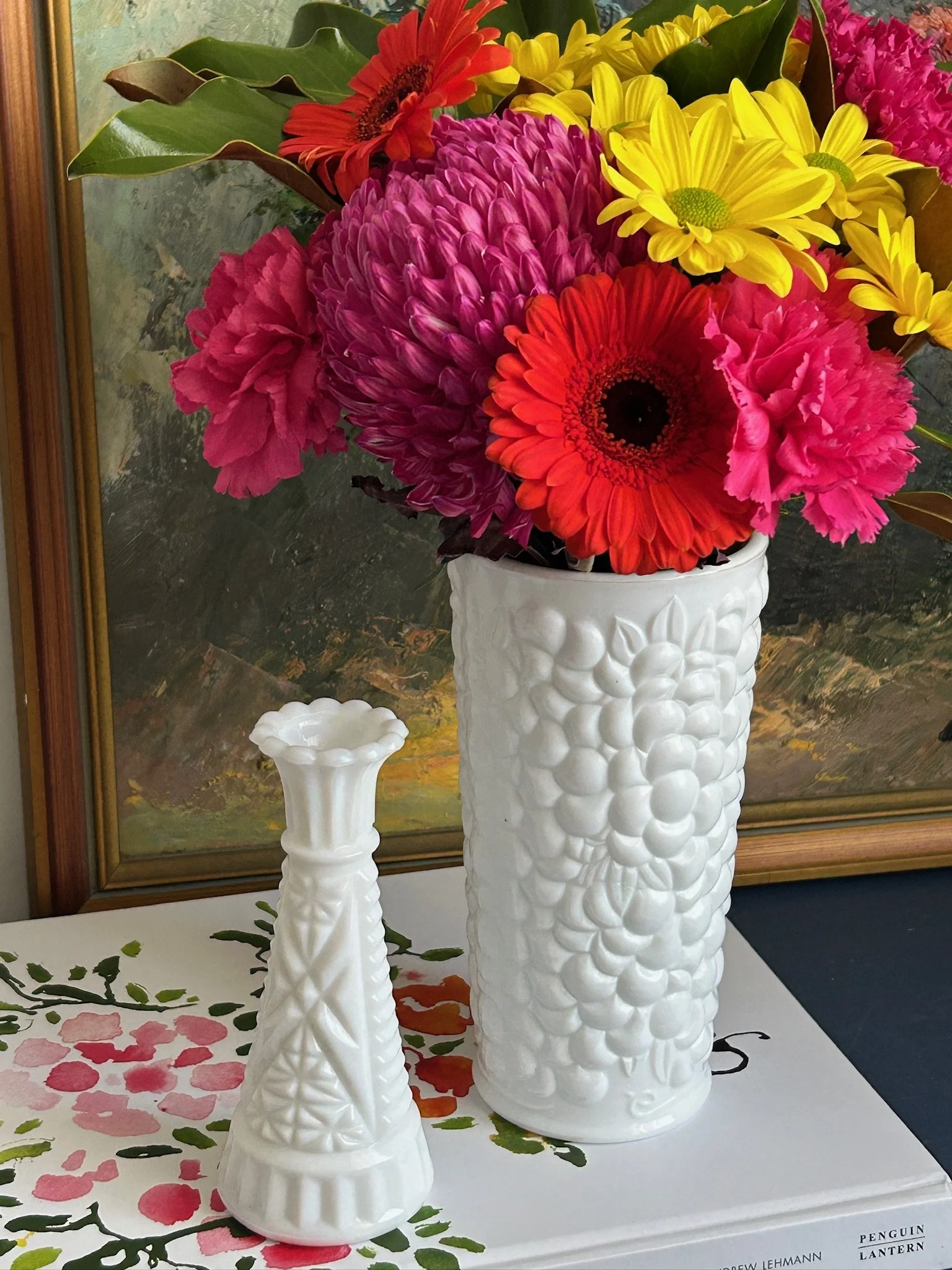 Image 20 of 20