Why Is Wedgwood Valuable? What Collectors and Buyers Should Know
Wedgwood is one of the most recognised names in English pottery - and one of the most misunderstood when it comes to value. Some pieces sell for a few dollars at op shops. Others fetch tens of thousands at auction. The difference comes down to a handful of factors that are surprisingly easy to learn once you know what to look for.
We handle Wedgwood regularly at Oh! This Old Thing? - from common Queen's Ware side plates to rarer Jasperware pieces that stop us mid-browse at estate sales. This guide covers the history, the key collections, and the specific things that affect what a piece of Wedgwood is actually worth.
Who Was Josiah Wedgwood?
Josiah Wedgwood founded his pottery in Burslem, Staffordshire, England in 1759. He is widely regarded as the father of English pottery, transforming ceramics from a regional craft into an international industry through innovation, branding, and royal patronage.
Wedgwood was born into a family of potters in 1730 but childhood illness limited his ability to work the wheel, so he turned to experimentation and design instead. By the mid-1760s he had developed a refined cream-coloured earthenware that caught the attention of Queen Charlotte, who was so impressed she allowed him to call it "Queen's Ware." That royal endorsement changed everything.
In 1769, Wedgwood opened his purpose-built Etruria factory and entered a partnership with Liverpool merchant Thomas Bentley, whose international connections helped place Wedgwood ceramics in aristocratic homes and royal courts across Europe. He also pioneered marketing techniques that were revolutionary for the time - illustrated catalogues, direct mail, and money-back guarantees.
An interesting footnote: Josiah Wedgwood was Charles Darwin's grandfather. The intersection of scientific curiosity and creative innovation clearly ran in the family.
What Are Wedgwood's Most Famous Collections?
Wedgwood produced several distinct ceramic types over more than 260 years of production. Three collections stand out as the most significant - and the most collectible.
Jasperware (1774 - present)
Jasperware is the collection most people picture when they think of Wedgwood. It is an unglazed vitreous stoneware with a matte finish, decorated with white classical relief figures inspired by Greek and Roman art. The signature pale blue - now known universally as "Wedgwood blue" - is the most common colourway, but Jasperware was also produced in green, lilac, yellow, black, and white.
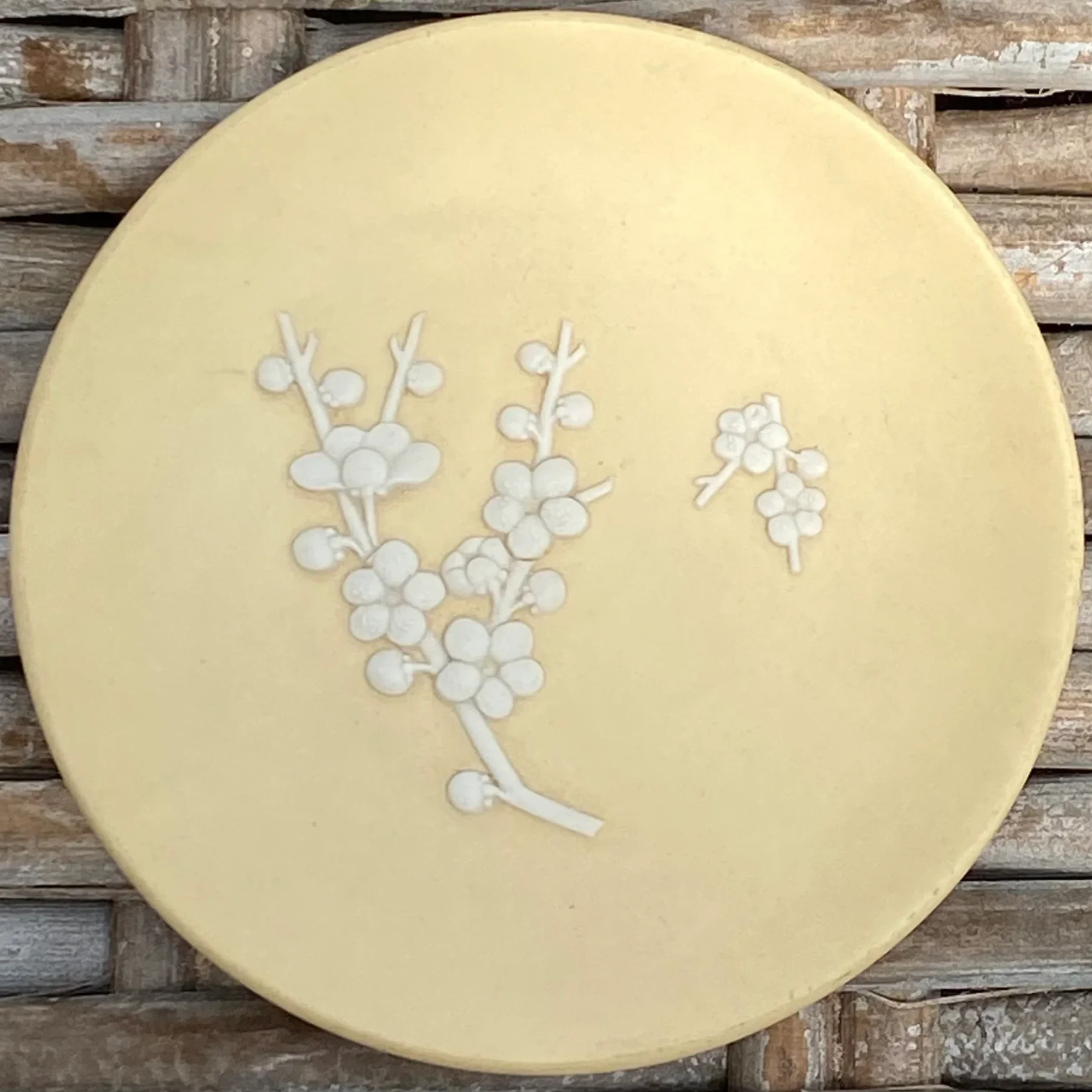
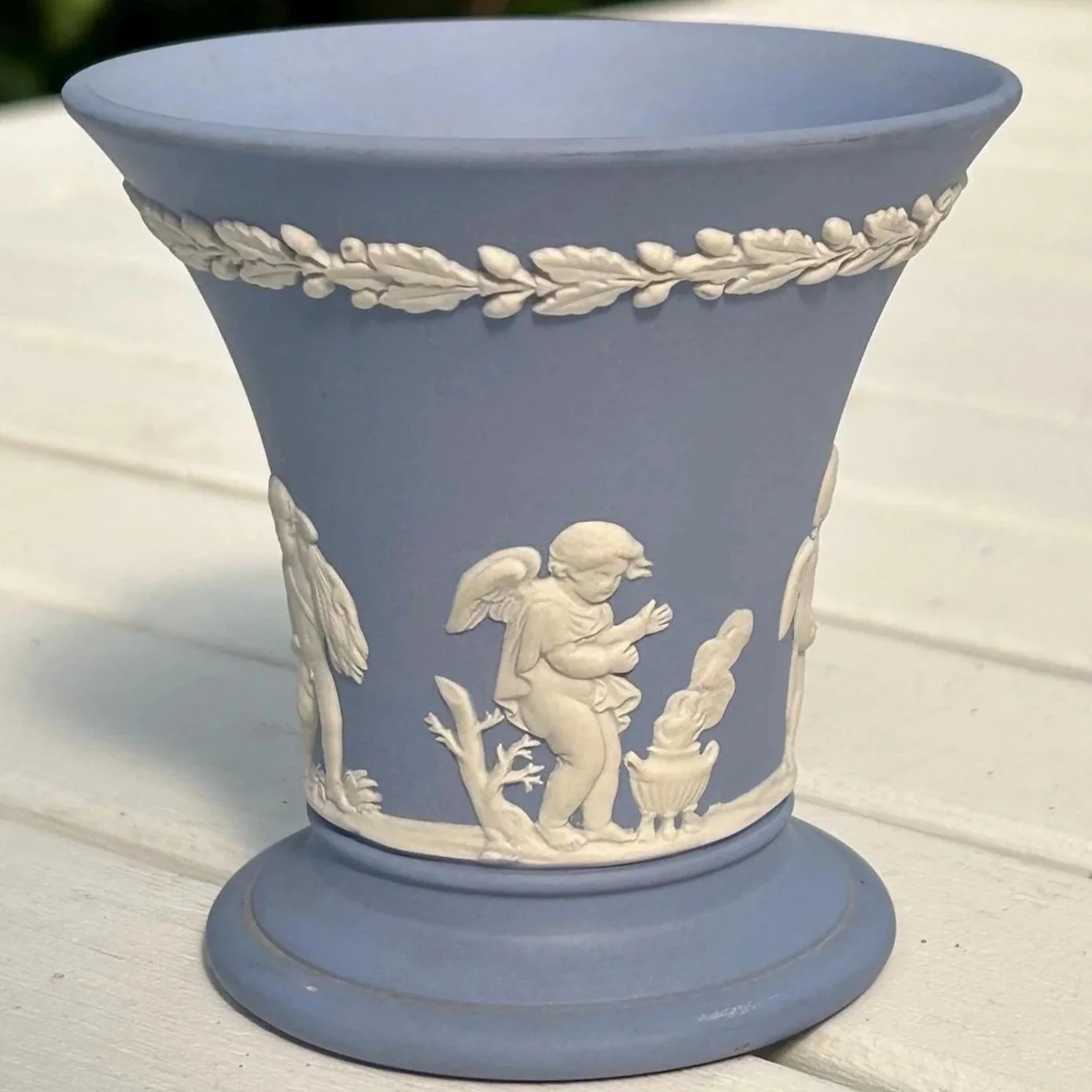
Red Jasperware is the rarest and most valuable colourway. The colour was notoriously difficult to produce consistently, so very few pieces survived production. Authentic red Jasperware pieces command significant premiums at auction.
Queen's Ware (1765 - present)
Queen's Ware is a fine, cream-coloured earthenware that Wedgwood developed in the 1760s. Named after Queen Charlotte's endorsement, it became the standard for elegant but practical tableware across Europe. The most famous Queen's Ware commission was the "Frog Service" - a 952-piece dinner set made for Empress Catherine the Great of Russia in 1773 - 1774, with each piece featuring a hand-painted English landscape and a small green frog emblem.
Fairyland Lustre (1915 - 1931)
Fairyland Lustre is the collection that consistently achieves the highest auction prices. Designed by Daisy Makeig-Jones, these pieces feature vivid, iridescent glazes with fantastical scenes of fairies, goblins, and enchanted landscapes. Production was limited to just 16 years, and the combination of rarity, artistic quality, and visual impact makes Fairyland Lustre the most sought-after Wedgwood for serious collectors.
Beatrix Potter and Peter Rabbit (1949 - present)
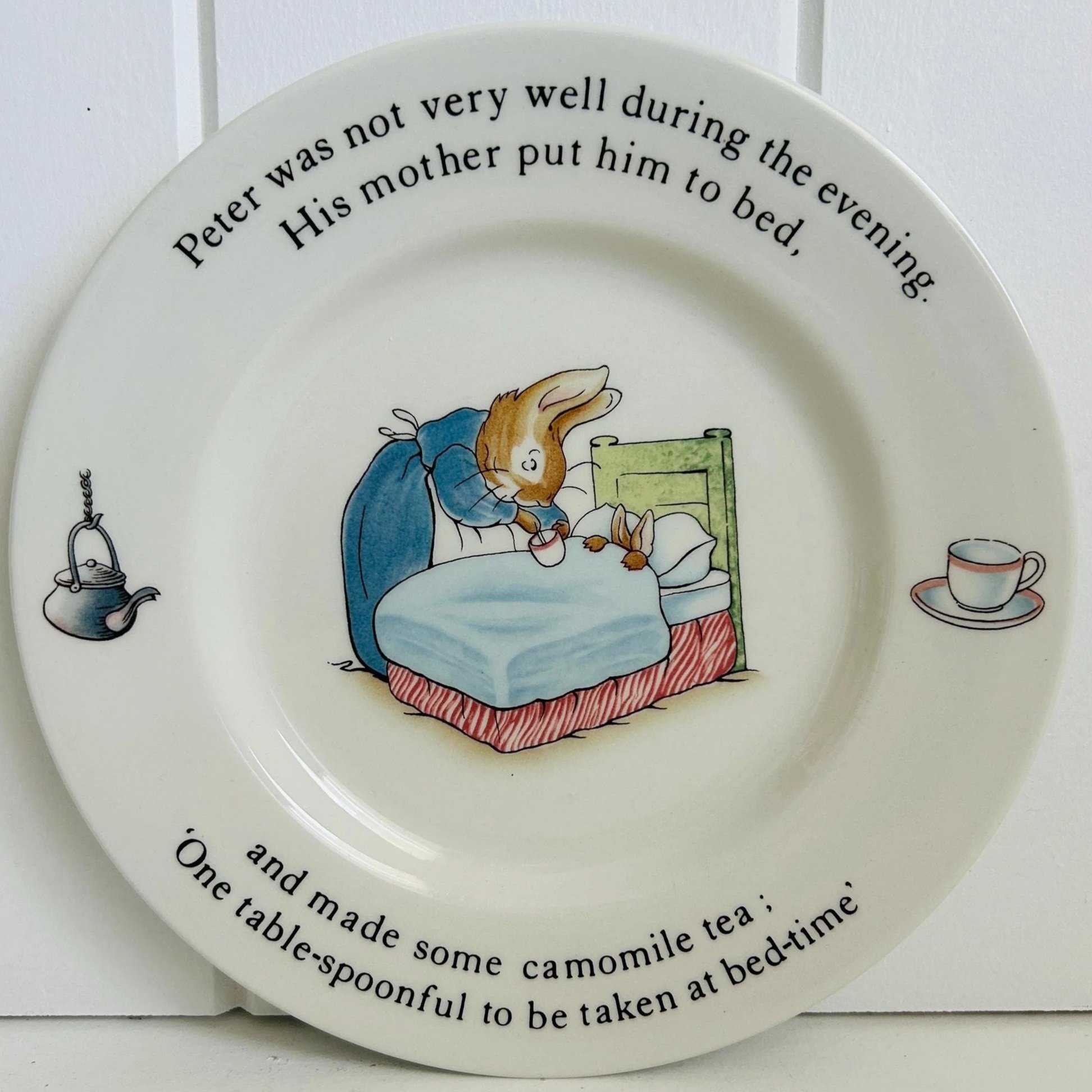
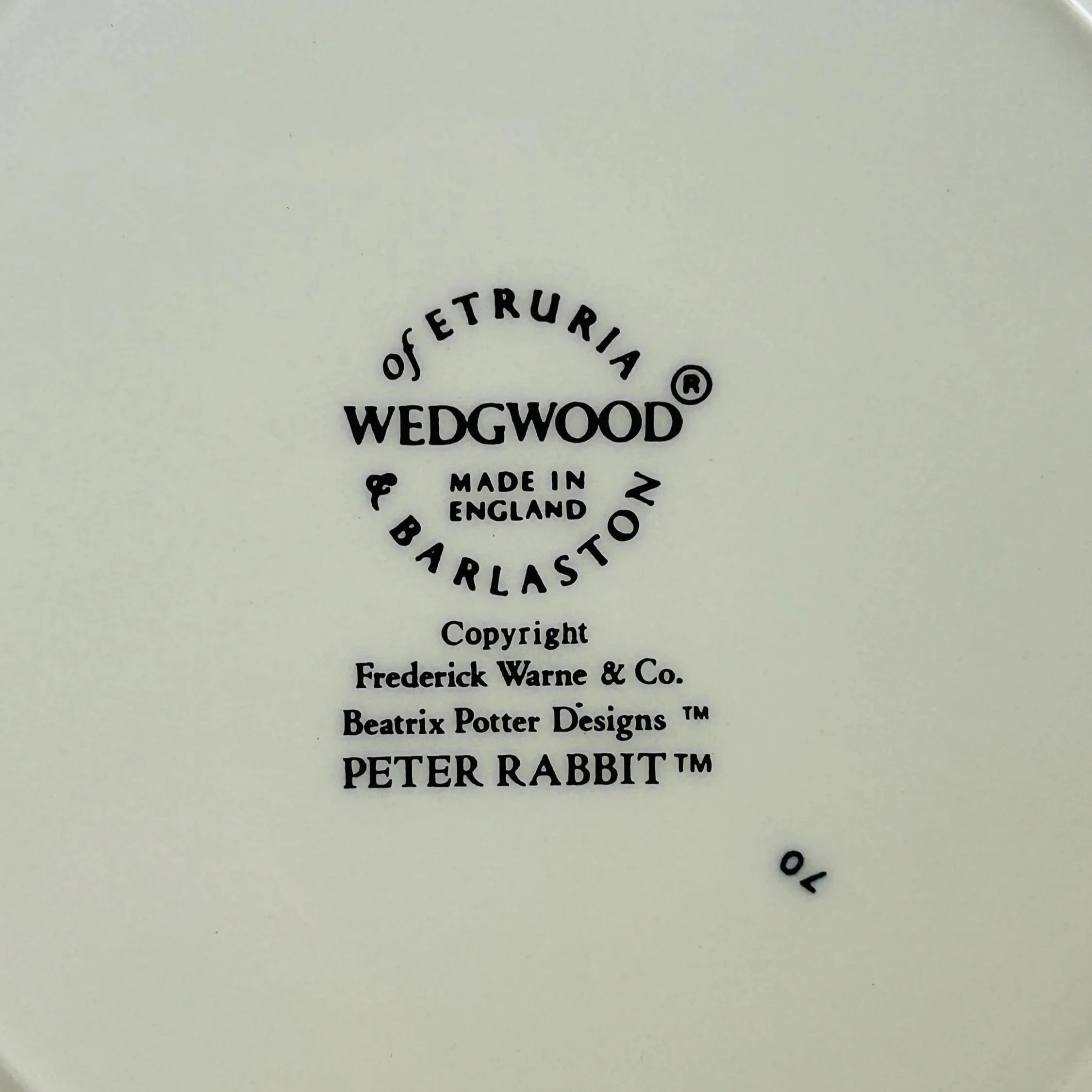
Wedgwood's Beatrix Potter collection - particularly the Peter Rabbit children's range - is one of the brand's most widely recognised lines. Originally produced under licence from Frederick Warne & Co, the range includes plates, mugs, bowls, money boxes, and figurines featuring the original Beatrix Potter illustrations. Peter Rabbit pieces are consistently popular with both collectors and gift buyers, and they move quickly in the secondhand market. We have sold multiple Peter Rabbit pieces at Oh! This Old Thing? and they rarely last long once listed.
What Makes Wedgwood Pottery Valuable?
The value of Wedgwood pottery depends on five key factors: age, rarity, condition, collection type, and markings. Older pieces - particularly pre-1800 - are inherently rarer. Limited production runs, unusual colourways, and complete sets all increase value significantly.
Age and rarity - Eighteenth-century and early nineteenth-century Wedgwood pieces are scarce and command the highest prices. Within any era, limited editions and unusual colours (like red Jasperware) are worth considerably more than standard production.
Condition - As with all ceramics, condition is critical. Chips, hairline cracks, crazing, glaze skips, and discolouration all reduce value. A piece in clean, undamaged condition will always be worth significantly more than an identical piece with flaws.
Collection type - Studio pieces and one-off artisan works are generally more valuable than tableware. Fairyland Lustre consistently achieves the highest prices, followed by early Jasperware and Black Basalt. Standard Queen's Ware tableware is more affordable, making it a good entry point for new collectors.
Completeness - Full dinner services, tea sets, and matched collections are worth more than individual pieces. If you're building a set, patience pays off - but finding a complete vintage Wedgwood service in good condition is genuinely uncommon.
Markings - Josiah Wedgwood was one of the first potters to consistently mark his wares with his own name. Authentic pieces carry an impressed "WEDGWOOD" mark (no extra "e", no "a"). After 1860, a three-letter date code system was introduced. Pieces marked "ENGLAND" date from after 1891. One important warning: "Wedgwood & Co" is a completely different manufacturer (Knottingley Pottery and later Enoch Wedgwood) and is not authentic Wedgwood.
How to Identify Genuine Wedgwood
Genuine Wedgwood can be identified by checking the maker's mark on the base, the quality of any relief decoration, and the weight and feel of the piece. Authentic Jasperware relief work is crisp and finely detailed - reproductions tend to look softer and less defined.
The impressed WEDGWOOD mark on the base of a Jasperware piece. Genuine Wedgwood uses this exact spelling - no extra letters - impressed directly into the clay.
Start with the base. Look for an impressed "WEDGWOOD" stamp. Early pieces (pre-1781) may be unmarked, but from the late eighteenth century onward, marking was standard practice. The mark should be cleanly impressed into the clay, not painted or printed on top.
For pieces made after 1860, look for a three-letter date code impressed near the Wedgwood name. The first letter indicates the month, the second the potter, and the third the year. Dating charts are available from specialist resources like the Wedgwood Museum collection (now held at the V&A).
If a piece feels too light, the relief decoration looks blurred or rounded, or the mark seems printed rather than impressed - proceed with caution. Reproductions and imitations are common.
What We Look For When Sourcing Wedgwood
When we come across Wedgwood at markets, op shops, or estate sales in the Southern Highlands, we always flip the piece first. The base tells you almost everything you need to know - the mark, the date code, and often the condition of the glaze underneath where it is most protected.
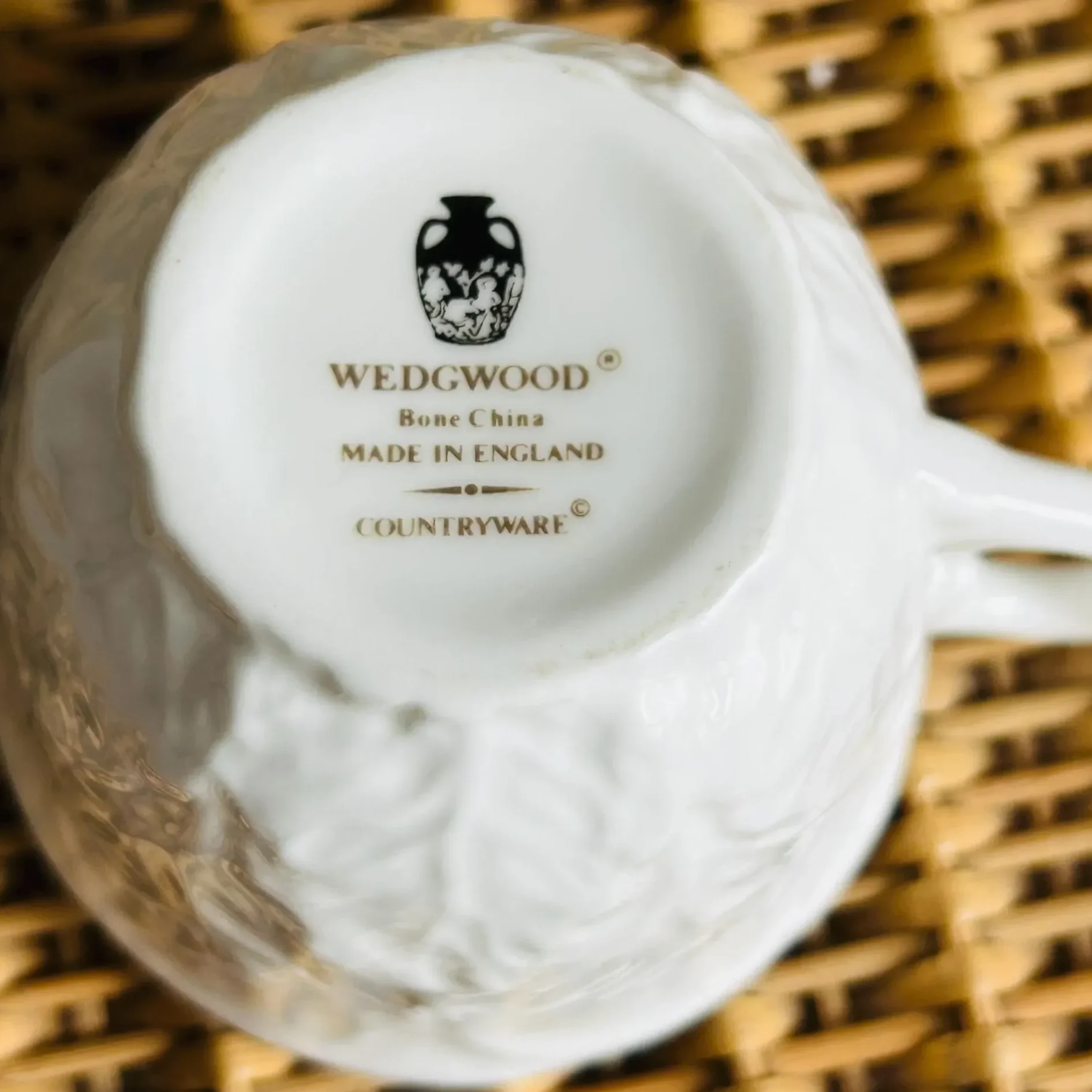
A later Wedgwood backstamp showing the Portland Vase logo, material type (Bone China), country of origin, and pattern name - all the information you need in one mark.
We look for clean, sharp relief on Jasperware - that crispness is the hallmark of quality production. On Queen's Ware, we check the glaze for crazing (fine cracks in the surface) and any signs of staining, which is common on pieces that have been used heavily over decades.
Honestly, the most common Wedgwood we find in Australian op shops is mid-to-late twentieth-century Queen's Ware tableware - and while it is not going to fund your retirement, it is beautifully made, practical, and a genuine step up from anything you would buy new at the same price point. We have listed Wedgwood pieces in our tableware and decorative plates collections.
How Has Wedgwood Evolved Over the Centuries?
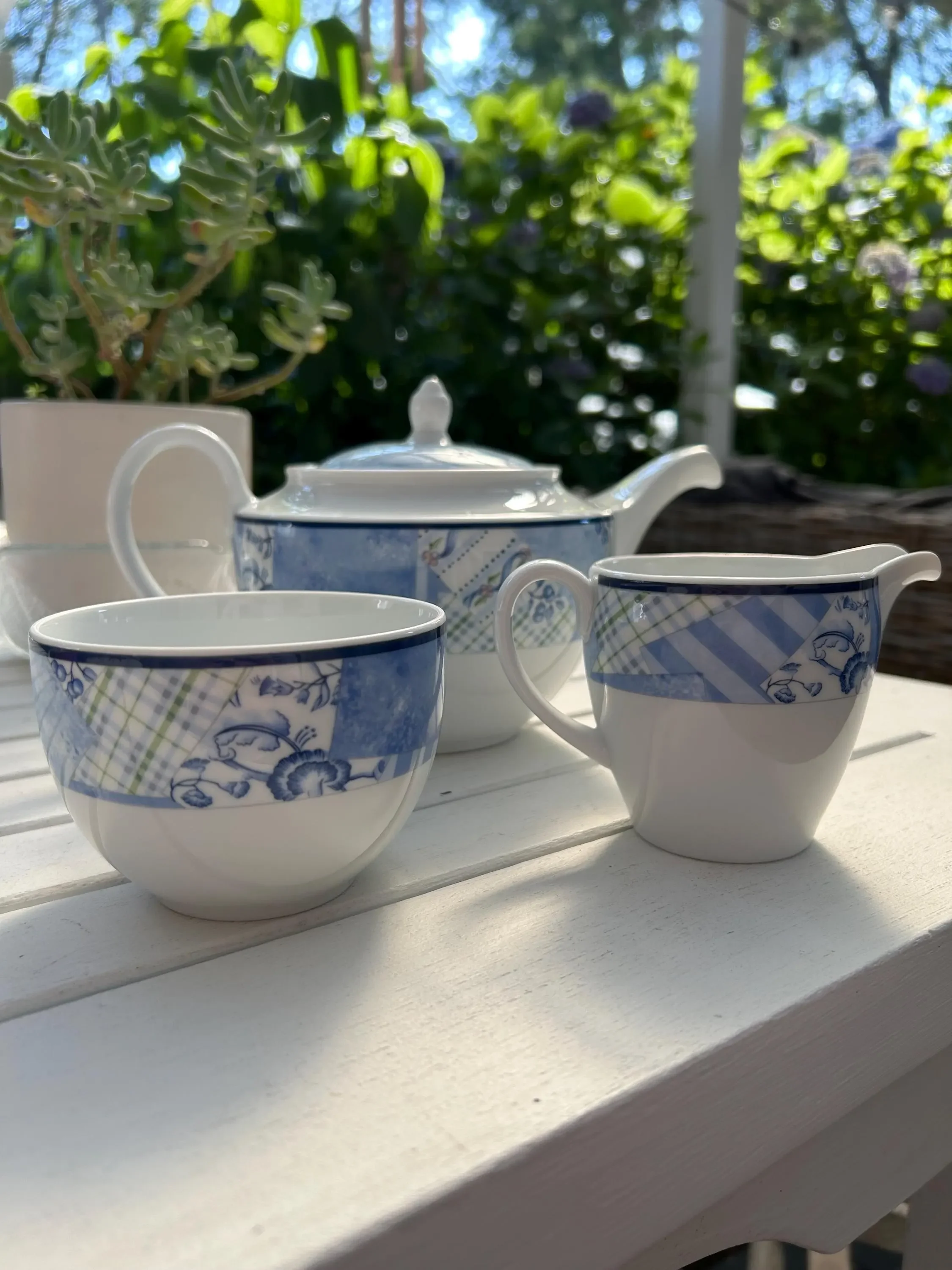
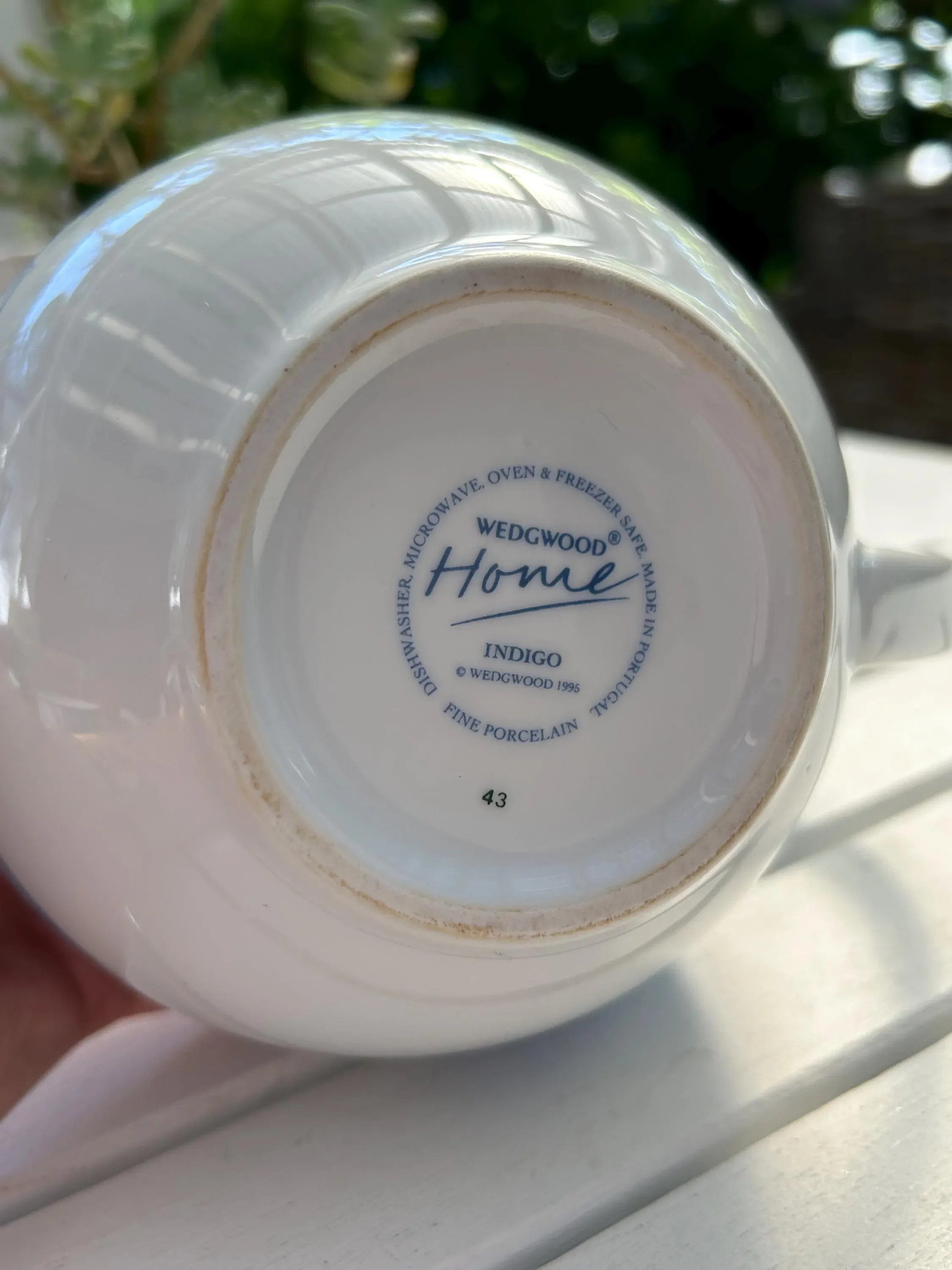
Wedgwood has adapted continuously across more than 260 years of production, maintaining relevance through changing tastes while honouring its heritage. The company's ability to balance tradition with collaboration has kept it in production where many competitors have disappeared.
In 1987, Wedgwood merged with Waterford Crystal to form Waterford Wedgwood. The group later acquired Royal Doulton in 2005 - another of England's most storied potteries (we have written about Royal Doulton's most collectible pieces separately). After financial difficulties, the brand was acquired by the Fiskars Group in 2015 and continues to produce ceramics today.
Modern collaborations with designers like Vera Wang and Kit Kemp have introduced contemporary patterns while maintaining Wedgwood's commitment to quality. Mid-century patterns like Wild Strawberry have experienced a collector resurgence, proving that Wedgwood's design instincts continue to age well.
Frequently Asked Questions
How can you tell if Wedgwood is genuine?
Check the base for an impressed "WEDGWOOD" mark - not painted, not printed. Authentic pieces use this exact spelling with no extra letters. After 1891, "ENGLAND" was added. Beware of "Wedgwood & Co" marks, which belong to a completely different manufacturer and are not genuine Wedgwood.
Is all Wedgwood valuable?
Not all Wedgwood is valuable in monetary terms. Common twentieth-century Queen's Ware tableware is affordable and widely available. The most valuable pieces are early Jasperware (especially rare colours), Fairyland Lustre, Black Basalt, and complete pre-1900 services in excellent condition.
What is the most expensive Wedgwood ever sold?
Fairyland Lustre pieces consistently achieve the highest Wedgwood auction prices, with exceptional examples selling for tens of thousands of pounds. Early Jasperware in rare colourways and significant historical pieces have also achieved record results at major auction houses.
What is Wedgwood blue?
Wedgwood blue is the distinctive pale blue colour associated with Wedgwood's Jasperware collection. First produced in 1774, this specific shade of blue has become so closely identified with the brand that it is recognised worldwide simply by its colour, similar to Tiffany blue in jewellery.
How do you date Wedgwood pottery?
Wedgwood pieces can be dated using the maker's mark and date code system. Before 1860, dating relies on mark style and production records. After 1860, a three-letter impressed code indicates the month, potter, and year. Pieces marked "ENGLAND" date from after 1891, and "MADE IN ENGLAND" from after 1908.
Final Thoughts
Wedgwood is one of those names that carries genuine weight in the ceramics world - and for good reason. More than 260 years of continuous production, royal patronage, and design innovation have created a legacy that spans affordable everyday tableware through to museum-quality collector pieces.
Whether you are looking to start a Wedgwood collection or simply want to know if that piece you found at a market is worth holding onto, the base mark and a basic understanding of the key collections will get you most of the way there. And if you are drawn to English pottery, our articles on Royal Doulton and vintage vs antique identification are worth a read too.
Browse our current tableware collection or decorative plates and bowls for vintage Wedgwood and other English pottery.